
Advanced minimally invasive procedures for structural heart conditions
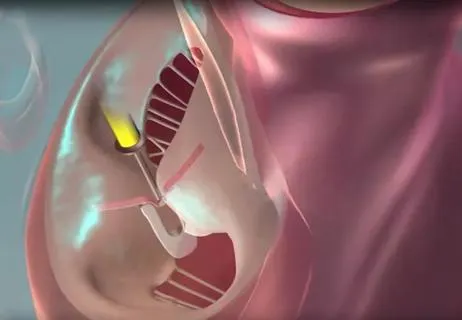
Transcatheter Edge-to-Edge Repair (TEER), commonly known as transcatheter mitral valve repair, is a minimally invasive procedure used to treat significant mitral valve regurgitation. Mitral regurgitation occurs when the mitral valve does not close properly, allowing blood to flow backward into the upper chamber of the heart instead of moving efficiently into the main circulation. When the leakage is severe, the heart may have to work harder to maintain adequate blood flow, which can eventually contribute to breathlessness, fatigue, abnormal heart rhythms and heart failure.
TEER provides a catheter-based alternative to conventional open-heart surgery for carefully selected patients. During the procedure, a small repair device is guided through a catheter, usually inserted through a vein in the groin, and positioned on the mitral valve. The device brings portions of the valve leaflets together, helping the valve close more effectively and reducing the amount of blood that leaks backward. TEER may be particularly beneficial for patients who have severe symptomatic mitral regurgitation and are considered unsuitable or high-risk candidates for conventional surgery.
Mitral regurgitation can develop because of abnormalities affecting the valve itself or because of changes in the heart that prevent the valve from closing properly. Primary or degenerative mitral regurgitation may occur due to mitral valve prolapse, damage or weakening of the valve leaflets, abnormalities of the supporting structures or other age-related changes. Rheumatic heart disease and certain congenital abnormalities can also affect the structure and function of the mitral valve.
Secondary, or functional, mitral regurgitation occurs when the valve itself may be structurally normal but cannot close properly because the heart has become enlarged or weakened. Conditions such as coronary artery disease, previous heart attack, cardiomyopathy and chronic heart failure can alter the shape of the left ventricle and interfere with normal mitral valve closure. Identifying the underlying cause is essential because the most appropriate treatment depends on the type and severity of mitral regurgitation.
Mild mitral regurgitation may not cause noticeable symptoms for many years. As the condition becomes more severe, patients may experience shortness of breath, particularly during physical activity or when lying down, along with persistent tiredness and reduced exercise tolerance. Some patients may notice palpitations or an irregular heartbeat, especially when an associated heart rhythm disorder develops.
Progressive mitral regurgitation can increase pressure within the heart and lungs and may eventually contribute to symptoms of heart failure. These can include worsening breathlessness, difficulty sleeping while lying flat and swelling of the ankles or legs. Symptoms may develop gradually, so a progressive decline in exercise capacity or unexplained breathlessness should be evaluated rather than being attributed simply to ageing or reduced fitness.
A detailed cardiovascular evaluation is required to diagnose mitral regurgitation and determine whether TEER may be appropriate. The assessment usually includes a medical history, physical examination and cardiac imaging. Echocardiography is particularly important because it allows the cardiologist to evaluate the mitral valve, measure the severity of regurgitation and assess the size and function of the heart chambers.
Patients being considered for TEER generally require detailed imaging of the mitral valve. Transesophageal echocardiography, including three-dimensional imaging when appropriate, provides a closer view of the valve and helps determine whether its anatomy is suitable for catheter-based repair. Electrocardiography, chest imaging, cardiac CT and other investigations may also be recommended depending on the patient’s condition. A multidisciplinary heart valve team carefully reviews these findings before recommending the most suitable treatment.
Treatment for mitral regurgitation depends on its severity, underlying cause, symptoms, heart function and the patient’s overall health. Patients with mild or stable disease may require regular monitoring and treatment of associated conditions. Medications may be prescribed to manage symptoms, control blood pressure, treat heart failure or address abnormal heart rhythms, although medication does not directly repair a severely leaking mitral valve.
When intervention is required, conventional surgical mitral valve repair or replacement may be appropriate for patients who can safely undergo surgery. TEER offers a minimally invasive alternative for selected patients with significant symptomatic mitral regurgitation who are at high or prohibitive risk from conventional surgery, as well as certain patients with secondary mitral regurgitation who remain significantly symptomatic despite appropriate medical therapy. During TEER, the repair device is positioned using catheter-based guidance to bring the mitral valve leaflets together and reduce backward blood flow. The decision between medical treatment, surgery and TEER is individualized after comprehensive evaluation by an experienced heart valve team.
After a TEER procedure, patients are monitored to assess heart rhythm, blood pressure, valve function and the position of the repair device. The medical team may prescribe antiplatelet or other medications according to the patient’s individual circumstances and underlying cardiovascular condition. It is important to take prescribed medicines regularly and follow the recommended schedule for follow-up appointments.
Recovery following TEER is generally less extensive than recovery after open-heart valve surgery, although the recovery period varies from person to person. Follow-up echocardiography is important for assessing the effectiveness of the repair, monitoring any remaining mitral regurgitation and evaluating heart function. Patients should gradually resume physical activity according to their cardiologist’s advice and continue managing conditions such as high blood pressure, diabetes, coronary artery disease or heart failure where applicable.
TEER is a minimally invasive cardiac procedure and is generally well tolerated in appropriately selected patients, but it does carry potential risks. These may include bleeding or complications at the catheter access site, infection, abnormal heart rhythms, blood clots and injury to cardiac or vascular structures. In some patients, the procedure may not reduce mitral regurgitation sufficiently, or significant leakage may return over time.
Rarely, complications involving the mitral valve, surrounding heart structures or the repair device may require additional treatment. The risk of complications varies according to the patient’s age, heart function, severity of mitral regurgitation, other medical conditions and overall health. Careful patient selection, detailed imaging and management by an experienced heart valve team are important for achieving the safest possible outcome.
Patients should seek a cardiovascular evaluation if they develop unexplained or persistent shortness of breath, unusual fatigue, reduced exercise tolerance, palpitations, dizziness or swelling of the legs. Individuals who have already been diagnosed with mitral regurgitation should maintain regular follow-up, even when symptoms appear mild, because valve disease can progress gradually without obvious warning signs.
Patients who experience sudden or severe breathlessness, chest discomfort, fainting, rapidly worsening swelling or other signs of acute heart or lung problems should seek urgent medical attention. Early diagnosis and appropriate management of significant mitral regurgitation can help reduce the risk of complications and determine whether medical therapy, surgical treatment or a minimally invasive procedure such as Transcatheter Edge-to-Edge Repair is appropriate.
Explore More: Tricuspid Valve Interventions

Providing advanced, compassionate and evidence-based cardiac care with a focus on interventional cardiology, structural heart procedures and comprehensive heart health.
9:00 AM – 6:00 PM (By Appointment Only)
No WhatsApp Number Found!
WhatsApp us