
Advanced minimally invasive procedures for structural heart conditions
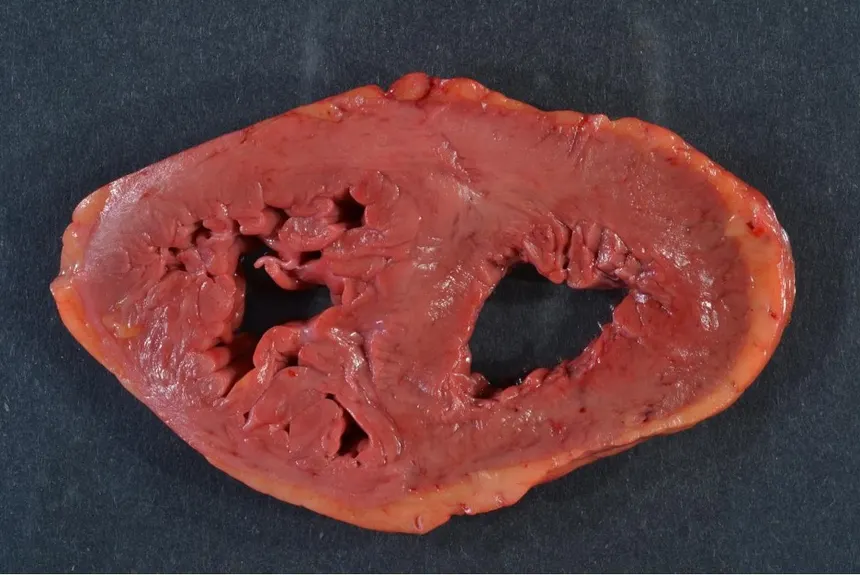
Pulmonary hypertension is a condition in which the blood pressure within the arteries that carry blood from the heart to the lungs becomes abnormally high. This increased pressure can place additional strain on the right side of the heart and, if left untreated, may gradually affect the heart’s ability to pump blood effectively. Pulmonary hypertension can develop for different reasons, including heart and lung conditions, blood-clotting disorders and certain other medical conditions. Early and accurate evaluation is important because identifying the underlying cause allows treatment to be tailored to the patient’s specific condition.
A pulmonary hypertension evaluation involves a comprehensive assessment of symptoms, medical history, heart and lung function and the possible causes of elevated pressure in the pulmonary circulation. The evaluation may involve non-invasive tests as well as specialized investigations when required. A structured diagnostic approach helps determine the severity of the condition and whether the patient requires monitoring, medical treatment or further evaluation at a specialized pulmonary hypertension centre.
Pulmonary hypertension is not a single disease and can occur through several different mechanisms. It may develop because of diseases affecting the pulmonary arteries themselves, conditions affecting the left side of the heart, chronic lung diseases or prolonged low oxygen levels. Recurrent or chronic blood clots in the lungs can also lead to a specific form known as chronic thromboembolic pulmonary hypertension.
Other potential causes include certain connective tissue diseases, congenital heart conditions, liver disease, blood disorders and some medications or toxins. In some patients, pulmonary arterial hypertension may occur without an identifiable underlying cause or may have a genetic component. Determining the specific category of pulmonary hypertension is an essential part of evaluation because different forms require different approaches to treatment.
Symptoms of pulmonary hypertension can develop gradually and may initially be mistaken for a lack of fitness or another common health problem. Breathlessness during physical activity is one of the most frequent symptoms. Patients may also experience persistent tiredness, reduced exercise capacity, dizziness, weakness or a sensation of rapid or irregular heartbeat.
As pulmonary hypertension becomes more advanced, symptoms may occur even with minimal physical activity. Some patients can develop swelling of the ankles, feet or abdomen due to strain on the right side of the heart. Chest discomfort or fainting, particularly during exertion, can also occur and should be evaluated promptly. The severity and combination of symptoms can vary depending on the underlying cause and stage of the disease.
Pulmonary hypertension evaluation begins with a detailed medical history and physical examination. The doctor may ask about breathing difficulties, exercise tolerance, chest symptoms, previous blood clots, heart or lung disease, medications and relevant family history. An examination may provide clues such as abnormal heart sounds, swelling or other signs of increased pressure within the pulmonary circulation.
Echocardiography is an important initial investigation because it can estimate pulmonary artery pressure and assess the structure and function of the heart, particularly the right ventricle. Additional tests may include an electrocardiogram, chest X-ray, pulmonary function tests, blood investigations and oxygen assessment. Depending on the findings, CT imaging, ventilation-perfusion scanning or other specialized tests may be recommended. Right heart catheterization is the definitive test for confirming pulmonary hypertension and measuring pressures within the heart and pulmonary arteries when clinically indicated. A comprehensive evaluation helps distinguish pulmonary hypertension from other causes of breathlessness and determines its specific clinical classification.
Treatment for pulmonary hypertension depends primarily on its underlying cause, severity and clinical classification. Some patients may benefit from treatment directed at an underlying heart or lung condition, while others may require specific pulmonary hypertension medicines. Depending on the individual situation, treatment can involve medicines that help relax or widen the pulmonary blood vessels, improve blood flow or reduce strain on the heart.
Patients with pulmonary hypertension caused by chronic blood clots may require specialized treatment, which can include long-term anticoagulation and, in selected cases, procedures or surgery to remove or treat obstructing clots. Management of associated conditions such as heart failure, lung disease or sleep-related breathing disorders is also important. Treatment is individualized and may require coordination between cardiology, pulmonology and other specialists depending on the cause of the condition.
Ongoing monitoring is an important part of pulmonary hypertension management. Patients may require regular clinical assessments, echocardiograms, blood tests, exercise evaluation and other investigations to determine how well treatment is controlling the condition. Medication doses may need to be adjusted over time based on symptoms, test results and treatment response.
Patients should take prescribed medicines consistently and discuss any new symptoms or medication side effects with their doctor. Maintaining an appropriate level of physical activity, following a heart- and lung-healthy lifestyle and avoiding smoking can support overall cardiovascular health. Patients with significant pulmonary hypertension may also receive individualized advice regarding oxygen therapy, travel, vaccinations, fluid intake and other aspects of daily living.
Untreated or poorly controlled pulmonary hypertension can progressively increase the workload on the right side of the heart. Over time, this may lead to right-sided heart failure, abnormal heart rhythms, fluid retention and reduced ability to perform everyday activities. Severe pulmonary hypertension can also increase the risk of fainting, blood clots and other serious cardiovascular complications.
The risks associated with pulmonary hypertension vary considerably depending on its cause, severity and response to treatment. Some diagnostic procedures, particularly invasive investigations such as right heart catheterization, also carry potential risks including bleeding, infection or abnormal heart rhythms. Appropriate patient selection, careful monitoring and management by an experienced medical team can help reduce these risks.
Persistent or unexplained breathlessness, particularly when it occurs during activities that were previously well tolerated, should not be ignored. A medical evaluation is also advisable for unexplained fatigue, dizziness, fainting, chest discomfort, recurrent palpitations or swelling of the legs. Patients with known heart disease, chronic lung disease or a history of blood clots may require particular attention to new or worsening breathing symptoms.
If pulmonary hypertension has already been diagnosed, regular follow-up is important even when symptoms appear stable. Sudden or severe breathlessness, fainting, significant chest pain, bluish discoloration of the lips or skin, or rapidly worsening symptoms require urgent medical attention. Early pulmonary hypertension evaluation and appropriate treatment can help identify the underlying cause, monitor disease progression and support better long-term heart and lung health.
Explore More: Advanced Echocardiography

Providing advanced, compassionate and evidence-based cardiac care with a focus on interventional cardiology, structural heart procedures and comprehensive heart health.
9:00 AM – 6:00 PM (By Appointment Only)
No WhatsApp Number Found!
WhatsApp us