
Advanced cardiac procedures
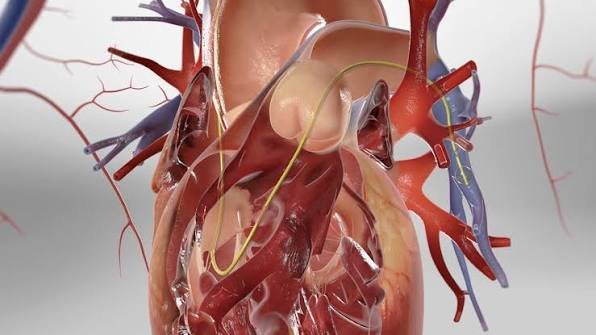
Right and left heart catheterization is an advanced minimally invasive cardiac procedure used to obtain detailed information about the structure and function of the heart and its blood vessels. The procedure involves carefully guiding a thin, flexible catheter through a blood vessel to the heart. Right heart catheterization primarily measures pressures and blood flow within the right side of the heart and pulmonary circulation, while left heart catheterization can evaluate the left-sided chambers and coronary arteries. When performed together, these procedures provide a comprehensive assessment of cardiac function and circulation, helping the cardiologist understand complex heart conditions and plan appropriate treatment.
Right and left heart catheterization may be recommended when a patient has a suspected or known cardiovascular condition that requires more detailed information than routine tests can provide. It may be used to evaluate coronary artery disease, heart valve disorders, heart failure, pulmonary hypertension, congenital heart conditions, unexplained shortness of breath, abnormal pressures within the heart, or certain structural abnormalities. In some cases, catheterization is also performed when symptoms and non-invasive test results do not provide enough information to determine the severity or cause of a heart problem.
The conditions that may lead to right and left heart catheterization can cause symptoms such as chest discomfort or pressure, shortness of breath, unusual tiredness, dizziness, fainting, rapid or irregular heartbeat, and reduced ability to perform physical activities. Patients with pulmonary hypertension or heart failure may also experience swelling in the legs or abdomen and increasing breathlessness. However, some cardiovascular conditions may produce few or no noticeable symptoms, which is why catheterization may sometimes be recommended based on abnormal findings from an echocardiogram, ECG, stress test, imaging study, or other cardiac evaluation.
Before recommending catheterization, the cardiologist reviews the patient’s symptoms, medical history, physical examination, and previous investigations. Tests such as an electrocardiogram, echocardiogram, chest imaging, cardiac CT, stress testing, or blood tests may be used to understand the heart’s condition. During right and left heart catheterization, direct measurements of pressure and oxygen levels can be obtained from different areas of the heart and blood vessels. Contrast dye and X-ray imaging may also be used during left heart catheterization to identify narrowed or blocked coronary arteries and assess blood flow. These findings can provide important information when non-invasive tests are inconclusive or when precise physiological measurements are required.
Although right and left heart catheterization is primarily a diagnostic procedure, it can also be combined with certain treatments when significant abnormalities are identified. If coronary arteries are significantly narrowed or blocked, catheter-based treatment such as angioplasty and stent placement may sometimes be performed during the same session. Depending on the underlying condition, the results may also guide treatment with medications, valve procedures, surgery, or specialized therapies for pulmonary hypertension and heart failure. The appropriate treatment depends on the patient’s individual diagnosis, overall health, and findings from the catheterization.
After the procedure, patients are monitored for a period of time to ensure that their heart rate, blood pressure, and catheter insertion site remain stable. The access site may be slightly sore or bruised for a short period, which can be normal. Patients should follow their cardiologist’s instructions regarding medications, physical activity, wound care, and follow-up appointments. Keeping the catheter insertion site clean and observing it for increasing swelling, bleeding, redness, or discharge is important. Most patients can gradually return to their usual activities according to their doctor’s advice, although recovery may take longer if an additional treatment was performed during catheterization.
Right and left heart catheterization is generally considered a safe procedure when performed by an experienced cardiac team, but like any invasive procedure, it carries certain risks. Minor complications may include bruising, tenderness, or bleeding at the catheter insertion site. Less common complications can include infection, blood vessel injury, abnormal heart rhythm, blood clots, reaction to contrast dye, kidney-related complications, heart attack, stroke, or damage to the heart or blood vessels. The individual risk varies depending on the patient’s medical condition and the type of catheter-based procedure being performed.
Patients should consult a cardiologist if they experience persistent or unexplained chest discomfort, breathlessness, dizziness, fainting, palpitations, unusual fatigue, or swelling of the legs. Medical evaluation is particularly important when symptoms are new, worsening, or interfering with daily activities. After catheterization, urgent medical attention should be sought for severe or persistent chest pain, significant difficulty breathing, uncontrolled bleeding from the catheter insertion site, rapidly increasing swelling, severe dizziness, fever, or sudden weakness or difficulty speaking. Early evaluation can help identify serious cardiovascular problems and allow appropriate treatment to begin without unnecessary delay.
Explore More: Peripheral Angiography & Interventions

Providing advanced, compassionate and evidence-based cardiac care with a focus on interventional cardiology, structural heart procedures and comprehensive heart health.
9:00 AM – 6:00 PM (By Appointment Only)
No WhatsApp Number Found!
WhatsApp us