
Advanced cardiac procedures
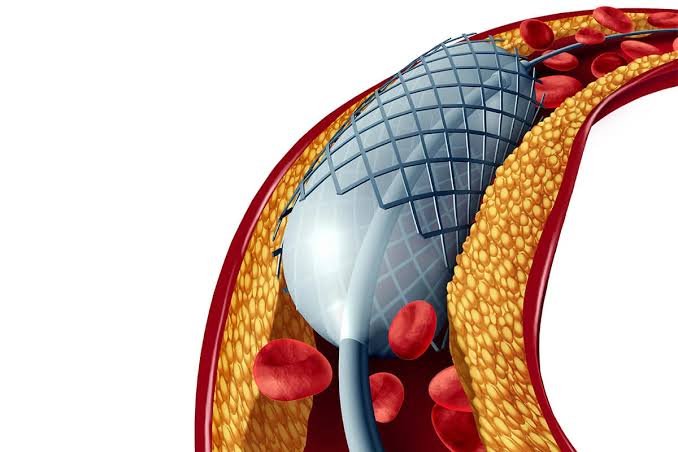
Chronic Total Occlusion (CTO) angioplasty is an advanced form of percutaneous coronary intervention (PCI) used to treat a coronary artery that has been completely blocked for a prolonged period, generally three months or more. A CTO can significantly reduce blood flow to the heart muscle and may cause symptoms such as chest discomfort, breathlessness and reduced exercise tolerance. In some patients, the blockage may be compensated by small alternative blood vessels called collateral vessels, resulting in few or no noticeable symptoms. CTO angioplasty is a specialised minimally invasive procedure designed to carefully cross the long-standing blockage, restore blood flow and, when appropriate, place a stent to help keep the artery open.
Chronic total occlusion most commonly develops as a result of coronary artery disease and the gradual buildup of fatty deposits, cholesterol and other substances within the coronary artery walls. Over time, this plaque can cause the artery to become increasingly narrowed and eventually completely blocked. Previous heart attacks, long-standing coronary artery disease and cardiovascular risk factors such as high blood pressure, diabetes, high cholesterol, smoking, physical inactivity and excess body weight can increase the likelihood of developing significant coronary artery blockages.
The symptoms of a chronic total occlusion can vary considerably from person to person. Some patients experience chest pain or pressure, particularly during physical activity, while others may have breathlessness, unusual tiredness, reduced stamina, dizziness or discomfort that may extend towards the arm or upper body. Symptoms may improve with rest but can sometimes occur even when a person is not exercising. Because collateral blood vessels can sometimes provide an alternative blood supply, some patients with a CTO may have minimal symptoms or may not realise that a significant blockage is present.
A detailed cardiovascular evaluation is important before deciding whether CTO angioplasty is appropriate. The assessment may include an electrocardiogram (ECG), echocardiogram, stress testing and other cardiac imaging depending on the patient’s symptoms and medical history. Coronary angiography is particularly important because it provides detailed information about the location, length and characteristics of the blockage and helps the cardiologist plan the procedure. In selected patients, cardiac CT or cardiac MRI may provide additional information about coronary anatomy, blood flow and the condition of the heart muscle.
Treatment for a chronic total occlusion is individualised according to the patient’s symptoms, overall health, heart function, coronary anatomy and the extent of coronary artery disease. Some patients may be managed with medicines and comprehensive risk-factor control, particularly when symptoms are limited. When restoring blood flow is considered appropriate, CTO PCI involves guiding specialised wires and catheters through the blocked artery, opening the occluded segment and usually placing a coronary stent to maintain blood flow. Because CTO procedures can be technically complex, treatment planning requires careful assessment of the blockage and the patient’s overall cardiovascular condition. In selected cases where PCI is unsuitable or when there is extensive coronary disease, coronary artery bypass grafting (CABG) may also be considered.
After CTO angioplasty, appropriate follow-up and long-term heart care are important for maintaining the benefits of treatment. Patients may be prescribed antiplatelet medicines and other cardiovascular medications, depending on their individual condition and the type of stent used. These medicines should be taken exactly as advised, and patients should not stop antiplatelet therapy without discussing it with their cardiologist. A heart-healthy lifestyle, including appropriate physical activity, a balanced diet, smoking cessation and control of blood pressure, cholesterol and diabetes, can help reduce the risk of future cardiovascular problems. Cardiac rehabilitation may also be recommended for suitable patients.
Like any invasive cardiac procedure, CTO angioplasty carries potential risks, although serious complications are uncommon when the procedure is carefully planned and performed by an experienced cardiac team. Possible complications include bleeding or bruising at the catheter insertion site, reactions to contrast dye, damage to a blood vessel, abnormal heart rhythm, blood clots, heart attack or, rarely, stroke. There is also a possibility that the treated artery may narrow again over time, known as restenosis. The potential benefits and risks of CTO angioplasty should be discussed individually with the treating cardiologist before the procedure.
Patients with persistent or recurring chest discomfort, breathlessness during activity, unexplained fatigue, reduced exercise capacity or other symptoms suggestive of reduced blood flow to the heart should seek evaluation from a cardiologist. Individuals with known coronary artery disease or a previously diagnosed coronary blockage may also benefit from specialist assessment to determine whether medical therapy, CTO angioplasty or another form of revascularisation is appropriate. If chest discomfort is severe, sudden or accompanied by breathlessness, sweating, nausea, fainting, or pain spreading to the arm, shoulder, jaw, neck or back, immediate emergency medical attention is essential because these can be warning signs of a heart attack.
Explore More: Left Main Coronary Angioplasty

Providing advanced, compassionate and evidence-based cardiac care with a focus on interventional cardiology, structural heart procedures and comprehensive heart health.
9:00 AM – 6:00 PM (By Appointment Only)
No WhatsApp Number Found!
WhatsApp us