
Advanced cardiac procedures
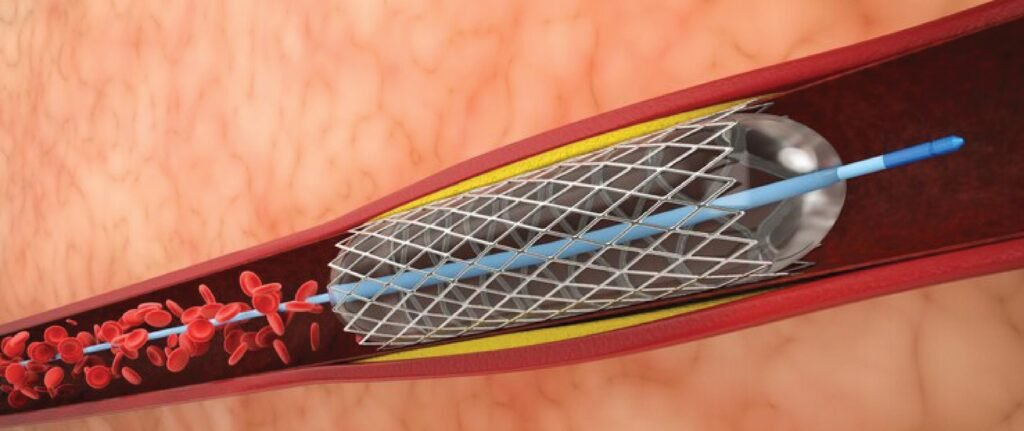
Fractional Flow Reserve (FFR) is an advanced coronary physiology test used to determine whether a narrowing in a heart artery is significantly restricting blood flow to the heart muscle. While a coronary angiogram shows the location and appearance of a blockage, FFR provides functional information about how much that narrowing actually affects blood supply. It is particularly useful when an angiogram shows a moderate or intermediate narrowing and it is unclear whether the blockage requires treatment. Current cardiology guidance recognizes invasive coronary physiology as an important aid in treatment decisions for intermediate coronary lesions.
FFR itself is not a disease but a diagnostic measurement used in patients who may have coronary artery disease (CAD). The underlying narrowing is most commonly caused by atherosclerosis, in which cholesterol, fatty deposits and other substances gradually accumulate inside the coronary arteries. Risk factors such as high cholesterol, high blood pressure, diabetes, smoking, obesity, physical inactivity and a family history of heart disease can increase the likelihood of developing coronary artery narrowing.
Patients who require an FFR assessment may experience symptoms related to reduced blood flow to the heart. These can include chest pain or pressure, particularly during physical activity or emotional stress, shortness of breath, unusual tiredness, sweating, dizziness or discomfort that may extend to the arm, shoulder, neck, jaw or back. However, some people with coronary artery disease may have few or no noticeable symptoms. The presence and severity of symptoms are therefore considered together with imaging and other clinical findings when deciding whether further physiological assessment is appropriate.
FFR is generally performed during a coronary angiogram. A thin pressure-sensing wire is carefully passed through the coronary artery beyond the area of narrowing. The pressure before and after the lesion is measured, usually while blood flow is temporarily increased using a medication to create a state of maximal hyperaemia. The resulting FFR value helps the cardiologist determine whether the narrowing is likely to be responsible for significant reduction in blood flow. An FFR value above 0.80 generally suggests that an intermediate narrowing is unlikely to be causing significant inducible ischaemia, while lower values may indicate that the lesion is functionally important. The result is interpreted in combination with the patient’s symptoms, medical history, angiographic findings and overall clinical situation rather than in isolation.
FFR is primarily a decision-making tool rather than a treatment itself. If the assessment indicates that a coronary narrowing is not significantly limiting blood flow, the cardiologist may recommend medical management, risk-factor control and regular follow-up rather than immediately performing an intervention. When a narrowing is considered functionally significant, treatment may include medications for angina and cardiovascular risk reduction, coronary angioplasty with stent placement, or, in selected patients with more complex disease, coronary artery bypass surgery. The appropriate approach depends on the location and severity of coronary disease, symptoms, overall health and individual treatment goals.
After an FFR-guided coronary procedure or treatment, follow-up care focuses on protecting heart health and reducing the risk of further coronary artery disease. Patients should take prescribed medications consistently, attend recommended follow-up appointments and maintain a heart-healthy lifestyle that includes appropriate physical activity, balanced nutrition, weight management and avoidance of smoking. Blood pressure, cholesterol, diabetes and other cardiovascular risk factors should be monitored and controlled as advised by the treating cardiologist. Long-term follow-up is an important part of chronic coronary disease management.
FFR is performed during an invasive cardiac catheterization procedure, so it carries risks similar to coronary angiography. These may include temporary discomfort, bleeding or bruising at the catheter insertion site, blood vessel injury, abnormal heart rhythms or an allergic reaction to contrast material. Serious complications are uncommon but can include damage to a coronary artery, blood clot, heart attack or other cardiovascular complications. The cardiology team evaluates the potential benefits and risks before recommending the procedure and takes appropriate precautions throughout the assessment.
Patients experiencing persistent or recurring chest discomfort, unexplained shortness of breath, reduced exercise tolerance, unusual fatigue or other possible symptoms of reduced blood flow to the heart should seek medical evaluation. An FFR assessment may be considered when coronary angiography identifies an intermediate narrowing and the clinical significance of the blockage remains uncertain. If chest pain is severe, sudden or accompanied by breathlessness, sweating, nausea, fainting or pain spreading to the arm, jaw, shoulder or back, urgent medical attention should be sought because these may be warning signs of a heart attack.
Explore More: Instantaneous Wave-Free Ratio (iFR)

Providing advanced, compassionate and evidence-based cardiac care with a focus on interventional cardiology, structural heart procedures and comprehensive heart health.
9:00 AM – 6:00 PM (By Appointment Only)
No WhatsApp Number Found!
WhatsApp us