Advanced cardiac procedures
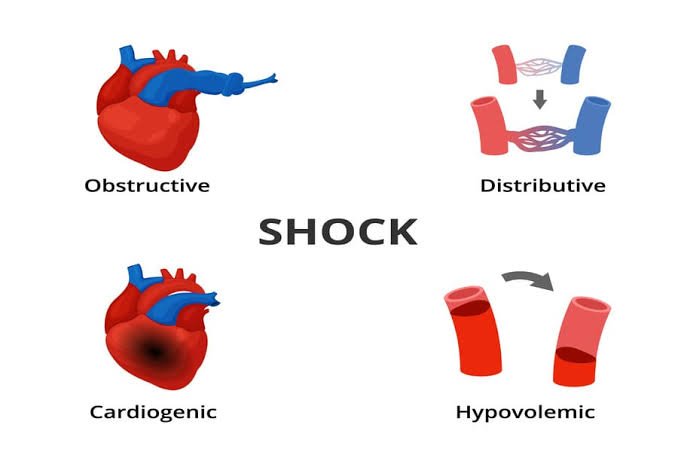
Cardiogenic shock is a serious, life-threatening condition in which the heart suddenly becomes unable to pump enough blood to meet the body’s needs. As a result, vital organs such as the brain, kidneys, and lungs may not receive adequate oxygen and blood flow. Cardiogenic shock most commonly occurs as a complication of a severe heart attack, but it can also develop due to advanced heart failure, serious heart rhythm abnormalities, heart muscle disease, or other acute cardiac conditions. Prompt recognition and specialized cardiovascular care are essential to restore circulation, protect vital organs, and address the underlying cause.
Cardiogenic shock intervention involves rapid assessment and a coordinated treatment strategy designed to stabilize the patient and improve heart function. Depending on the cause and severity, treatment may include medications, emergency coronary intervention, circulatory support devices, and intensive cardiac monitoring. Early intervention can be critical in reducing the risk of permanent organ damage and improving the chances of recovery.
A major heart attack is the most common cause of cardiogenic shock, particularly when significant damage occurs to the heart muscle and its ability to pump blood effectively. Other causes may include severe heart failure, dangerous arrhythmias, inflammation of the heart muscle, cardiomyopathies, or sudden problems affecting the heart valves. In some cases, conditions such as pulmonary embolism, major blood loss, or other acute illnesses can contribute to inadequate circulation and place severe stress on the heart.
Identifying the underlying cause is an important part of cardiogenic shock intervention because treatment must address both the immediate circulatory problem and the condition responsible for it. When cardiogenic shock develops following an acute coronary event, restoring blood flow to the affected coronary artery as quickly as possible is a key component of emergency management.
The symptoms of cardiogenic shock can develop suddenly and may become severe within a short period. Patients may experience very low blood pressure, severe shortness of breath, rapid or irregular heartbeat, cold or clammy skin, dizziness, confusion, weakness, or reduced urine output. In more advanced cases, reduced blood flow to the brain and other organs may lead to loss of consciousness or cardiac arrest.
Because cardiogenic shock can progress rapidly, symptoms should never be ignored or managed at home. Sudden chest discomfort accompanied by breathlessness, fainting, confusion, cold sweating, or extreme weakness requires immediate emergency medical attention.
Diagnosis begins with an urgent clinical assessment to evaluate blood pressure, heart rate, oxygen levels, circulation, mental status, and signs of reduced blood flow to vital organs. Doctors may perform an electrocardiogram (ECG) to identify heart attack or rhythm abnormalities and an echocardiogram to assess heart pumping function, valves, and other structural problems. Blood tests may also be used to assess oxygen delivery, cardiac injury, kidney function, and other markers of organ function.
Depending on the suspected cause, additional investigations such as chest X-ray, coronary angiography, and hemodynamic monitoring may be required. Coronary angiography can help identify blocked coronary arteries that may need urgent treatment, while echocardiography can provide valuable information about how effectively the heart is functioning and help identify potential complications.
Cardiogenic shock intervention requires immediate hospital-based treatment, often in a specialized cardiac intensive care setting. Initial management focuses on maintaining adequate blood pressure and blood flow to vital organs while treating the underlying cause. Intravenous medications, including inotropic or vasoactive medicines, may be used to support cardiac function and circulation when appropriate.
When cardiogenic shock is caused by a blocked coronary artery following a heart attack, urgent coronary revascularization may be required to restore blood flow to the heart. Depending on the patient’s condition, this may involve coronary angiography followed by angioplasty and stent placement. For patients whose circulation cannot be adequately maintained with medications alone, temporary mechanical circulatory support may be considered to help the heart maintain blood flow while the underlying condition is treated.
The exact treatment plan is individualized according to the cause of shock, heart function, blood pressure, organ function, overall health, and response to initial treatment. Because cardiogenic shock can affect several organ systems at once, management often requires close collaboration between interventional cardiology, critical care, cardiac surgery, and other specialists when necessary.
Recovery after cardiogenic shock requires careful monitoring even after the immediate emergency has been controlled. Patients may need continued observation of heart function, blood pressure, kidney function, oxygen levels, fluid balance, and other indicators of organ recovery. Medications prescribed after treatment should be taken exactly as directed, particularly medicines intended to control blood pressure, cholesterol, heart rhythm, blood clotting, or heart failure.
Long-term care focuses on treating the underlying heart condition and reducing the risk of another cardiovascular event. Depending on the patient’s condition, cardiac rehabilitation, dietary improvements, appropriate physical activity, smoking cessation, and regular cardiology follow-up may form part of the recovery plan. After an acute coronary syndrome, structured cardiac rehabilitation can support recovery and reduce the risk of future cardiovascular problems.
Cardiogenic shock itself can cause serious complications because inadequate blood flow may affect multiple organs. Possible complications include acute kidney injury, breathing difficulties, abnormal heart rhythms, reduced brain function, liver or other organ dysfunction, and cardiac arrest. The condition can also progress to multiple-organ failure when circulation is not restored promptly.
Interventional procedures and mechanical circulatory support may also carry procedure-related risks, which vary according to the treatment used and the patient’s overall condition. These may include bleeding, blood vessel injury, infection, abnormal heart rhythms, or complications associated with blood-thinning medication. A careful assessment of potential benefits and risks is therefore an important part of treatment planning.
Cardiogenic shock is an emergency and should not be treated as a routine outpatient condition. Immediate emergency medical attention is necessary when a person develops sudden chest pain or pressure, severe difficulty breathing, fainting, confusion, cold or clammy skin, severe weakness, or other symptoms suggesting a major heart problem. Prompt treatment is essential because cardiogenic shock can deteriorate rapidly and may cause permanent organ damage if circulation is not restored quickly.
If you or a loved one has recently experienced a heart attack, severe heart failure, or another serious cardiac condition and develops worsening breathlessness, dizziness, reduced urine output, or sudden weakness, seek emergency medical care without delay. Early specialist intervention can be crucial in stabilizing the heart, protecting vital organs, and improving the possibility of recovery.
Explore More: Right & Left Heart Catheterization

Providing advanced, compassionate and evidence-based cardiac care with a focus on interventional cardiology, structural heart procedures and comprehensive heart health.
9:00 AM – 6:00 PM (By Appointment Only)
No WhatsApp Number Found!
WhatsApp us