
Advanced cardiac procedures
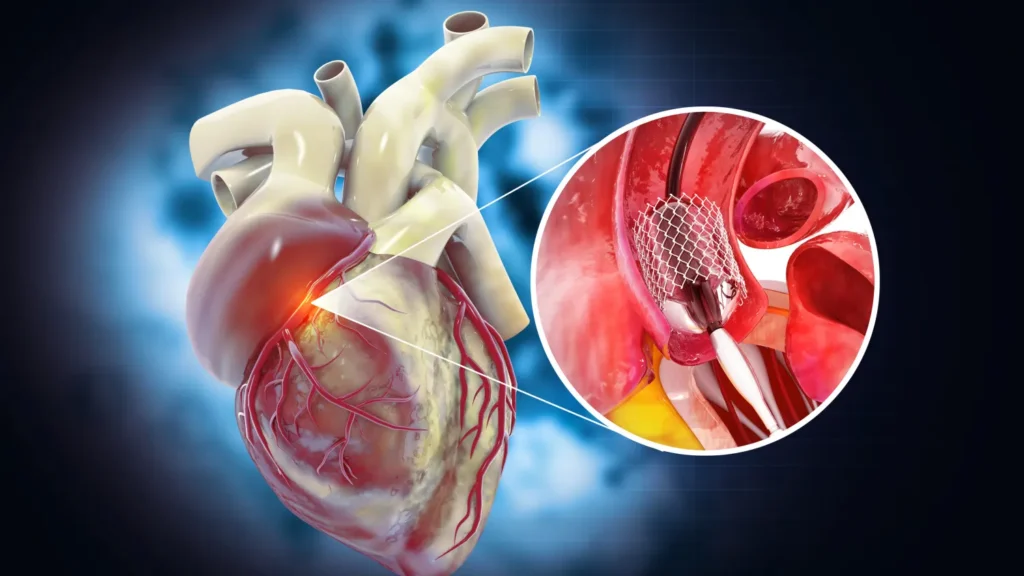
Complex Coronary Angioplasty, also known as complex Percutaneous Coronary Intervention (PCI), is an advanced minimally invasive procedure used to treat challenging or severe blockages in the coronary arteries. Unlike routine angioplasty, complex coronary interventions may involve multiple or diffuse blockages, heavily calcified arteries, chronic total occlusions, bifurcation lesions, or blockages in important coronary vessels. The procedure is designed to restore adequate blood flow to the heart and relieve symptoms caused by reduced oxygen supply to the heart muscle. Depending on the individual anatomy and overall cardiac condition, complex PCI may require specialized techniques, advanced imaging, and carefully selected stents or other devices.
Complex coronary blockages most commonly develop because of coronary artery disease, in which fatty deposits, cholesterol and calcium gradually accumulate within the artery walls. Over time, these deposits can become hard and extensive, making the artery difficult to treat with conventional angioplasty. Other factors such as diabetes, high blood pressure, high cholesterol, smoking, obesity, advancing age and a family history of heart disease can increase the likelihood of significant coronary artery disease. In some patients, previous stent placement or bypass surgery may also result in recurrent narrowing or disease in previously treated vessels.
Patients with complex coronary artery disease may experience symptoms similar to other forms of coronary artery disease, although the severity can vary. Common symptoms include chest pain, pressure or tightness, particularly during physical activity, along with breathlessness, unusual fatigue, sweating, dizziness or reduced exercise tolerance. Some individuals may experience discomfort spreading to the arm, shoulder, neck, jaw or back. In certain cases, particularly among people with diabetes or older adults, coronary artery disease may produce few noticeable symptoms until the condition becomes advanced. Sudden or severe chest discomfort, especially when accompanied by breathlessness, sweating, nausea or weakness, may indicate a heart attack and requires immediate medical attention.
A detailed cardiac evaluation is essential before considering complex coronary angioplasty. The assessment may include a clinical examination, electrocardiogram (ECG), blood tests, echocardiography and appropriate non-invasive cardiac testing. Coronary angiography is commonly used to identify the location, severity and pattern of coronary blockages. In complex cases, the cardiology team may also use specialized intravascular imaging or physiological assessment to understand the artery more precisely and plan the safest treatment strategy. The complexity and distribution of coronary disease are important factors when deciding between PCI, medical treatment and coronary artery bypass surgery.
Complex coronary angioplasty is performed through a catheter inserted into a blood vessel, commonly through the wrist or groin, and carefully guided toward the heart using X-ray imaging. A balloon may be used to widen the narrowed segment, followed by placement of a coronary stent when appropriate to help maintain blood flow. In more challenging cases, advanced techniques may be required to treat heavily calcified arteries, chronic total occlusions or complex lesions involving branching coronary vessels. Depending on the patient’s condition, medications and lifestyle modification may also form an important part of treatment. For some patients with extensive or highly complex coronary disease, coronary artery bypass grafting (CABG) may provide a more suitable treatment option, making individualized assessment particularly important.
After complex coronary angioplasty, careful follow-up and adherence to the prescribed treatment plan are essential for long-term heart health. Patients may be prescribed antiplatelet and other cardiac medicines to reduce the risk of blood clots and future cardiovascular events. It is important not to stop prescribed medication without consulting the treating cardiologist. Recovery recommendations may include gradually returning to physical activity, maintaining a heart-healthy diet, controlling blood pressure, blood sugar and cholesterol, avoiding tobacco and attending scheduled follow-up appointments. Angioplasty improves blood flow through the treated area but does not remove the underlying tendency for coronary artery disease, so long-term risk-factor management remains essential.
Complex coronary angioplasty is generally performed with careful planning and monitoring, but, like any invasive cardiac procedure, it carries potential risks. Minor bruising, soreness or bleeding at the catheter insertion site can occur. Less common but more serious complications may include blood vessel injury, blood clots, abnormal heart rhythms, allergic reactions to contrast material, kidney problems, heart attack or stroke. There is also a possibility of the treated artery becoming narrowed again, known as restenosis, or a clot developing within a stent. The individual risk depends on factors such as the complexity of the coronary disease, overall health, kidney function and whether the procedure is planned or performed in an emergency.
Patients experiencing persistent or recurring chest discomfort, unexplained breathlessness, unusual fatigue or a significant reduction in exercise tolerance should seek evaluation from a qualified cardiologist. Individuals who have already been diagnosed with coronary artery disease or have previously undergone angioplasty or bypass surgery may require regular cardiac assessment, particularly if symptoms return. Emergency medical attention is required for sudden or severe chest pain or pressure, especially when it is associated with sweating, nausea, breathlessness, fainting or discomfort spreading to the arm, shoulder, jaw or back. Early evaluation can help identify significant coronary disease and determine whether medication, angioplasty, complex coronary intervention or another treatment approach is appropriate.
Explore More: Chronic Total Occlusion (CTO) Angioplasty

Providing advanced, compassionate and evidence-based cardiac care with a focus on interventional cardiology, structural heart procedures and comprehensive heart health.
9:00 AM – 6:00 PM (By Appointment Only)
No WhatsApp Number Found!
WhatsApp us