
Advanced cardiac procedures
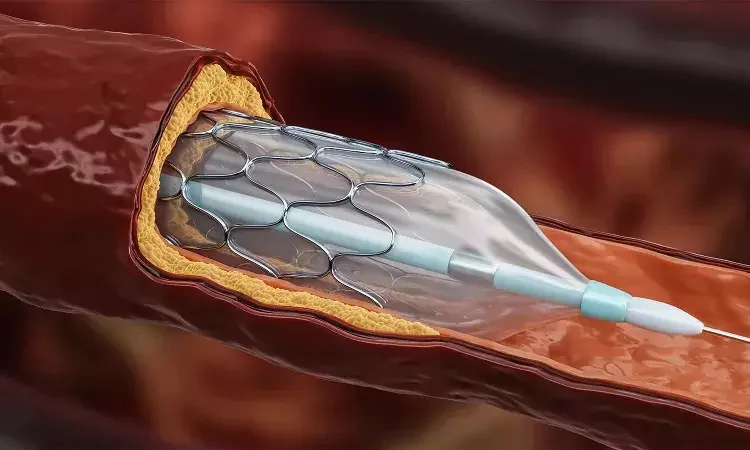
Left Main Coronary Angioplasty is an advanced cardiac procedure used to restore blood flow when the left main coronary artery becomes significantly narrowed or blocked. The left main coronary artery is particularly important because it supplies blood to a large portion of the heart muscle through its major branches. A significant blockage in this artery can therefore have serious consequences and requires careful evaluation by an experienced interventional cardiologist. During angioplasty, a thin catheter is guided through a blood vessel to the heart, where a balloon is used to widen the narrowed section and a stent may be placed to help maintain blood flow.
Left main coronary artery disease is most commonly caused by atherosclerosis, a condition in which cholesterol, fat, calcium and other substances gradually accumulate within the artery walls. Over time, these deposits can narrow the artery and restrict the supply of oxygen-rich blood to the heart. Risk factors include high cholesterol, high blood pressure, diabetes, smoking, obesity, physical inactivity and increasing age. A family history of coronary artery disease may also increase the likelihood of developing significant coronary blockages.
Symptoms of left main coronary artery disease may vary depending on the severity of the narrowing and the amount of blood flow reaching the heart. Patients may experience chest pain or pressure, particularly during physical activity, along with breathlessness, unusual tiredness, dizziness or discomfort that may extend to the arm, shoulder, neck or jaw. Some patients may have less typical symptoms, especially older adults and people with diabetes. Sudden or severe chest discomfort, difficulty breathing, sweating, nausea or fainting can indicate an acute cardiac emergency and require immediate medical attention.
Diagnosis begins with a detailed assessment of symptoms, medical history and cardiovascular risk factors. Depending on the patient’s condition, the cardiologist may recommend an electrocardiogram, blood tests, echocardiography, stress testing or other cardiac imaging. Coronary angiography is an important investigation for identifying the location and severity of coronary artery blockages and helping determine the most appropriate treatment. In complex left main disease, additional imaging or physiological assessment may be used to understand the anatomy and guide treatment decisions.
The treatment of left main coronary artery disease is individualized according to the severity and location of the blockage, symptoms, overall heart function and the presence of disease in other coronary arteries. In selected patients, Left Main Coronary Angioplasty with stent placement can restore blood flow without open-heart surgery. The procedure generally involves guiding a catheter to the affected artery, carefully widening the narrowed area with a balloon and placing a stent when appropriate to keep the artery open. In other patients, medications or coronary artery bypass grafting may be more suitable. The cardiology team evaluates the complete clinical picture before recommending the safest and most effective approach.
Following Left Main Coronary Angioplasty, careful follow-up is important for maintaining long-term heart health. Patients may be prescribed antiplatelet or other heart medications to reduce the risk of blood clots and future cardiac events, particularly when a stent has been placed. Medicines should be taken exactly as prescribed and should not be stopped without medical advice. A heart-healthy lifestyle, including a balanced diet, appropriate physical activity, smoking cessation and management of blood pressure, diabetes and cholesterol, is also important. Cardiac rehabilitation may be recommended to support a safe and structured return to physical activity. Regular follow-up appointments allow the cardiologist to monitor recovery and cardiovascular health.
Left Main Coronary Angioplasty is performed using advanced techniques, but as with any invasive cardiac procedure, certain risks are possible. These may include bleeding or bruising at the catheter insertion site, blood vessel injury, allergic reaction to contrast material, abnormal heart rhythms, blood clots, kidney injury and re-narrowing of the treated artery. Rare but serious complications can include heart attack, stroke or damage to a coronary artery. The individual risk depends on factors such as the complexity of the blockage, overall health, kidney function and whether the procedure is being performed electively or during an emergency.
Patients should seek medical evaluation if they develop recurring chest discomfort, breathlessness during routine activities, unexplained fatigue or other symptoms that may indicate reduced blood flow to the heart. Anyone experiencing sudden or severe chest pain, difficulty breathing, fainting, cold sweating or pain spreading to the arm, shoulder, back, neck or jaw should seek emergency medical care without delay. Early assessment can help identify coronary artery disease before it becomes more serious and allows an appropriate treatment plan to be developed. For patients who have already undergone angioplasty, new or worsening chest pain or shortness of breath should also be reported promptly to their healthcare team.
Explore More: Multivessel Angioplasty

Providing advanced, compassionate and evidence-based cardiac care with a focus on interventional cardiology, structural heart procedures and comprehensive heart health.
9:00 AM – 6:00 PM (By Appointment Only)
No WhatsApp Number Found!
WhatsApp us