
Advanced cardiac procedures
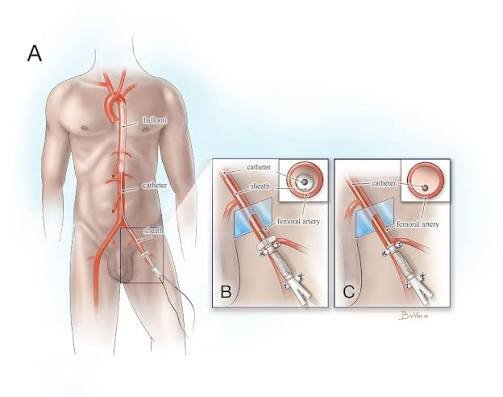
Intra-Aortic Balloon Pump (IABP) support is a form of temporary mechanical circulatory support used when the heart is unable to pump enough blood to meet the body’s needs. The IABP is a thin balloon mounted on a catheter that is positioned inside the aorta, the body’s main artery. The balloon inflates and deflates in coordination with the heartbeat, helping improve blood flow to the heart and other vital organs while reducing the workload on the heart. IABP support is generally provided in a hospital or intensive cardiac care setting and may be used following a serious cardiac event, certain heart procedures, or during recovery from heart surgery.
IABP support is not used to treat a specific disease itself; rather, it is considered when a serious heart condition causes the heart to pump inadequately. One important indication is cardiogenic shock, which can occur when the heart suddenly becomes unable to maintain sufficient circulation. Severe or acute heart failure, complications associated with a heart attack, certain abnormal heart rhythms, myocarditis, and advanced coronary artery disease may contribute to severe circulatory instability. In selected situations, IABP support may also be considered around high-risk coronary interventions or after cardiac surgery when temporary assistance is required. The decision depends on the patient’s overall condition, underlying cause and response to other treatments.
Patients who require IABP support are usually experiencing symptoms related to severely reduced cardiac output or an underlying cardiac emergency. These may include significant breathlessness, chest discomfort, extreme weakness, dizziness, confusion, fainting, rapid or irregular heartbeat, cold or clammy skin and very low blood pressure. Symptoms can vary considerably depending on the underlying condition. When severe heart failure or cardiogenic shock is suspected, rapid medical assessment is essential because reduced blood flow can affect the brain, kidneys and other vital organs.
Before IABP support is considered, the medical team performs a detailed assessment to identify the cause and severity of the patient’s cardiac condition. Evaluation may include a physical examination, blood pressure and oxygen monitoring, electrocardiography (ECG), blood tests and echocardiography to assess heart function. Additional imaging or coronary evaluation may be performed when a heart attack, coronary artery blockage or another structural problem is suspected. The healthcare team also evaluates blood circulation, kidney function and other organ systems to determine whether temporary mechanical circulatory support is appropriate. Certain conditions, including significant aortic disease, severe aortic regurgitation and advanced peripheral vascular disease, may make IABP support unsuitable.
IABP support is generally part of a broader treatment plan rather than a standalone therapy. During placement, a catheter carrying the balloon is introduced through an artery, commonly in the groin, and guided into the aorta using imaging. Once positioned, the balloon is connected to a console that synchronizes its inflation and deflation with the patient’s cardiac cycle. This can help improve coronary blood flow while decreasing the heart’s workload. At the same time, doctors treat the underlying cause with appropriate medications, coronary intervention, surgery or other forms of mechanical circulatory support when required. The duration of IABP therapy varies according to the patient’s recovery and clinical response, with many patients requiring support for only a few days.
Patients receiving IABP support require close monitoring, usually in an intensive care or specialized cardiac unit. The healthcare team regularly checks blood pressure, heart rhythm, circulation to the legs, urine output, blood tests and the position and function of the balloon catheter. Because the catheter is generally placed through an artery in the leg, movement may be restricted while the device is in place, and the leg may need to remain straight. Blood-thinning medication may be used when clinically appropriate to reduce the risk of clot formation. Once the heart demonstrates adequate recovery and can maintain circulation without mechanical assistance, the medical team gradually reduces support and removes the device.
Although IABP support can provide important temporary assistance during critical cardiac conditions, it carries potential risks. These may include bleeding, infection, blood clot formation, injury to the artery, reduced blood flow to the leg, incorrect balloon positioning or balloon-related complications. In some cases, problems with blood circulation can affect organs such as the kidneys. The likelihood of complications depends on factors including the patient’s overall health, vascular condition, duration of support and severity of the underlying heart problem. Continuous monitoring allows the cardiac team to identify and manage complications as early as possible.
IABP support is typically required in an emergency or highly specialized hospital setting rather than something a patient seeks independently. Anyone experiencing sudden or severe chest pain, significant difficulty breathing, fainting, severe weakness, confusion, cold or clammy skin or other symptoms suggestive of a serious cardiac emergency should seek immediate medical attention. Patients recovering after an IABP procedure should also promptly inform their healthcare team about increasing pain or swelling at the catheter site, unusual bleeding, fever, worsening breathlessness, palpitations or changes in the color, temperature or sensation of the affected leg. Early medical attention can help identify complications and support a safer recovery.
Explore More: Cardiogenic Shock Intervention

Providing advanced, compassionate and evidence-based cardiac care with a focus on interventional cardiology, structural heart procedures and comprehensive heart health.
9:00 AM – 6:00 PM (By Appointment Only)
No WhatsApp Number Found!
WhatsApp us