
Advanced cardiac procedures
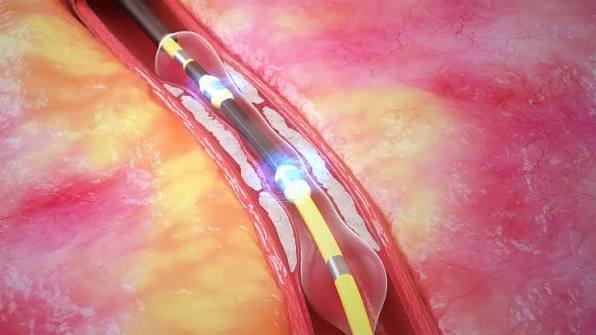
Intravascular Lithotripsy (IVL) is a minimally invasive catheter-based treatment used to prepare heavily calcified arteries for balloon angioplasty and, when appropriate, stent placement. It uses controlled acoustic pressure waves to modify calcium within the arterial wall, making a rigid, narrowed blood vessel more flexible and easier to expand. IVL can be particularly useful when severe arterial calcification makes conventional balloon angioplasty difficult or may prevent a coronary stent from expanding evenly. The technology is used in selected coronary and peripheral vascular procedures, depending on the specific IVL device and its approved indication.
Intravascular lithotripsy is generally considered when arterial calcification contributes to significant narrowing of a blood vessel. Calcium can accumulate gradually within arterial walls as part of atherosclerotic cardiovascular disease. The likelihood of vascular calcification may increase with age and conditions associated with cardiovascular disease, including diabetes, high blood pressure, high cholesterol, smoking, and chronic kidney disease. When calcium becomes extensive or rigid, the artery may become less responsive to standard balloon dilation, creating challenges during an angioplasty or stent procedure.
The symptoms depend on which blood vessel is affected and how severely it is narrowed. When calcified coronary arteries restrict blood flow to the heart, patients may experience chest pressure or pain, shortness of breath, unusual tiredness, or reduced exercise tolerance. If peripheral arteries are affected, symptoms may include pain or cramping in the legs during walking, reduced walking distance, numbness, weakness, or coldness in the affected limb. Some patients may have significant arterial disease without obvious symptoms, which is why appropriate cardiovascular assessment is important when risk factors are present.
The need for intravascular lithotripsy is determined after a detailed cardiovascular evaluation. Depending on the location and severity of the disease, assessment may include medical history, physical examination, electrocardiography, blood tests, echocardiography, stress testing, CT imaging, or vascular imaging. During catheter-based treatment, coronary angiography and intravascular imaging techniques such as intravascular ultrasound (IVUS) or optical coherence tomography (OCT) may help doctors assess the extent and distribution of calcium. These findings allow the interventional cardiologist to determine whether IVL or another calcium-modification technique is appropriate.
During IVL, a specialized catheter with a small balloon is guided through the artery to the calcified narrowing. The balloon is positioned at the treatment site and inflated at relatively low pressure while controlled acoustic pressure pulses are delivered to modify the calcium. Once the calcium has been modified, the artery can generally be dilated more effectively, and a stent may be placed when indicated to help maintain blood flow. The exact treatment strategy depends on the location, severity, length, and characteristics of the arterial blockage, as well as the patient’s overall cardiovascular condition.
After intravascular lithotripsy and any associated angioplasty or stent procedure, patients are monitored for blood pressure, heart rhythm, circulation, and possible complications at the access site. Recovery instructions vary depending on whether the procedure involved a coronary or peripheral artery and whether a stent was implanted. Patients may be prescribed medications such as antiplatelet or cholesterol-lowering medicines and should take them exactly as advised. Long-term cardiovascular care is also important and may include controlling blood pressure, blood sugar and cholesterol, avoiding tobacco, maintaining a heart-healthy diet, staying physically active as recommended, and attending scheduled follow-up appointments.
Like other catheter-based vascular procedures, IVL carries potential risks, although the suitability of the treatment is assessed carefully before the procedure. Possible complications can include bleeding or bruising at the catheter entry site, blood vessel injury, dissection, perforation, blockage of blood flow, blood clots, abnormal heart rhythm, or other complications related to angioplasty and stent placement. The risks can vary according to the patient’s health, the location and severity of arterial disease, and the complexity of the procedure. The FDA’s device labeling specifically notes that the risk of dissection or perforation is increased when treating severely calcified lesions.
Patients should seek medical evaluation if they develop persistent or recurrent chest discomfort, breathlessness, unexplained fatigue, dizziness, or reduced exercise tolerance, particularly if they have known cardiovascular risk factors. Symptoms such as new or worsening leg pain while walking, changes in skin colour or temperature, numbness, or poorly healing wounds may also require assessment for peripheral arterial disease. Following an IVL procedure, urgent medical attention is important for severe or persistent chest pain, significant bleeding or swelling at the catheter access site, sudden weakness or numbness, difficulty breathing, fainting, or other sudden changes in health.
Explore More: Intravascular Ultrasound (IVUS)

Providing advanced, compassionate and evidence-based cardiac care with a focus on interventional cardiology, structural heart procedures and comprehensive heart health.
9:00 AM – 6:00 PM (By Appointment Only)
No WhatsApp Number Found!
WhatsApp us