
Advanced cardiac procedures
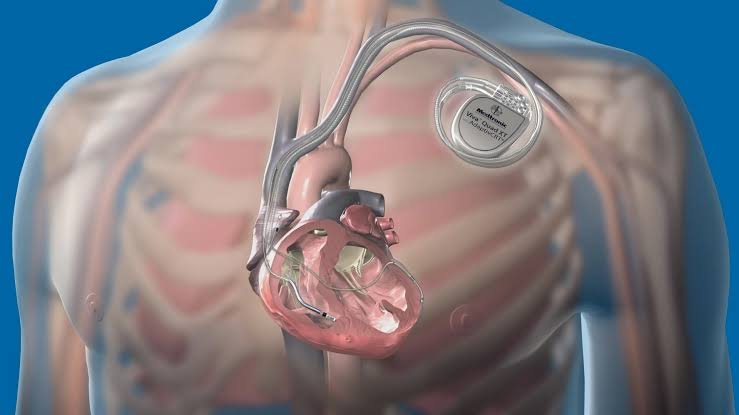
An Implantable Cardioverter-Defibrillator (ICD) is a small, advanced cardiac device designed to continuously monitor the heart rhythm and protect patients from potentially life-threatening abnormal heart rhythms. An ICD is typically recommended for people who are at increased risk of ventricular tachycardia or ventricular fibrillation, conditions that can cause the heart to beat dangerously fast and may lead to sudden cardiac arrest. The device is placed beneath the skin, usually in the chest, and connected to the heart through one or more leads, although some patients may be suitable candidates for a leadless or subcutaneous system. When an ICD detects a dangerous rhythm, it can deliver precisely timed electrical therapy to restore a normal heart rhythm and help prevent sudden cardiac death.
The need for an ICD is generally associated with underlying heart conditions that increase the risk of serious ventricular arrhythmias. Coronary artery disease and previous heart attacks can damage the heart muscle and create areas that are vulnerable to abnormal electrical activity. Other causes may include cardiomyopathy, significantly reduced heart pumping function, certain inherited heart rhythm disorders, previous episodes of ventricular tachycardia or ventricular fibrillation, and some congenital heart conditions. In selected patients, an ICD may also be recommended when the overall risk of sudden cardiac arrest is considered high even if a dangerous rhythm has not occurred previously.
The underlying condition that creates the need for an ICD may produce symptoms such as palpitations, rapid or irregular heartbeat, chest discomfort, breathlessness, dizziness, weakness or unexplained fatigue. Some patients may experience fainting or near-fainting episodes, particularly when an abnormal heart rhythm temporarily reduces blood flow to the brain. However, dangerous ventricular arrhythmias can sometimes occur without significant warning symptoms. An ICD is therefore often considered based on a patient’s cardiac history, heart function and estimated risk of sudden cardiac arrest rather than symptoms alone.
A detailed cardiac evaluation is performed before recommending an Implantable Cardioverter-Defibrillator. The assessment may include an electrocardiogram (ECG), echocardiogram and ambulatory heart rhythm monitoring to evaluate the heart’s electrical activity and pumping function. Depending on the patient’s condition, additional tests such as cardiac MRI, stress testing, electrophysiological studies or coronary evaluation may be recommended. The cardiologist also reviews the patient’s medical history, previous heart attack or cardiac arrest, episodes of ventricular arrhythmia, family history and response to medications. This comprehensive assessment helps determine whether an ICD is appropriate for primary or secondary prevention of sudden cardiac death.
ICD implantation is a specialised procedure performed under appropriate cardiac and electrophysiological care. During a conventional ICD procedure, the device is positioned beneath the skin of the chest and one or more leads are guided through a blood vessel into the heart. The leads allow the ICD to continuously monitor the heart rhythm and deliver pacing or an electrical shock when necessary. Depending on the patient’s anatomy and clinical condition, other options such as a subcutaneous ICD may be considered. In some patients, an ICD can also provide pacing support for slower heart rhythms. The most suitable device and treatment approach are selected after considering the patient’s heart function, arrhythmia risk, age, lifestyle and overall health.
After ICD implantation, regular follow-up is important to ensure that the device is functioning correctly and that the patient’s heart condition remains appropriately managed. The ICD is periodically checked using specialised programming equipment, and in suitable patients remote monitoring may also be used. Patients should take prescribed medications consistently and follow recommendations regarding physical activity, wound care and recovery. It is also important to inform healthcare professionals and security personnel that an ICD is implanted, as certain medical procedures and strong electromagnetic environments may require specific precautions. Patients should follow their cardiologist’s guidance regarding driving, strenuous activities and returning to normal routines.
ICD implantation is generally considered safe, but like any medical procedure, it carries potential risks. These may include bleeding, infection, swelling or bruising around the implantation site, blood vessel or heart injury, lead displacement and device-related complications. In some cases, an ICD may deliver an inappropriate shock because of an incorrectly detected rhythm or other electrical interference. Over time, the device or its leads may require replacement or revision, particularly when the battery reaches the end of its service life. Regular device checks and follow-up appointments help identify potential problems early and maintain reliable ICD performance.
Patients with an ICD should seek medical attention if they experience repeated shocks, unexplained fainting, persistent dizziness, new or worsening palpitations, chest pain, breathlessness or signs of infection around the device site, such as increasing redness, swelling, warmth or discharge. A single ICD shock should also be discussed promptly with the treating cardiology team, particularly if it is accompanied by symptoms. Emergency medical care is necessary if a patient experiences severe chest pain, difficulty breathing, loss of consciousness or multiple ICD shocks within a short period. Regular cardiology and device follow-up remains essential for long-term protection and effective management of the underlying heart condition.
Explore More: Cardiac Resynchronization Therapy (CRT)

Providing advanced, compassionate and evidence-based cardiac care with a focus on interventional cardiology, structural heart procedures and comprehensive heart health.
9:00 AM – 6:00 PM (By Appointment Only)
No WhatsApp Number Found!
WhatsApp us