
Advanced cardiac procedures
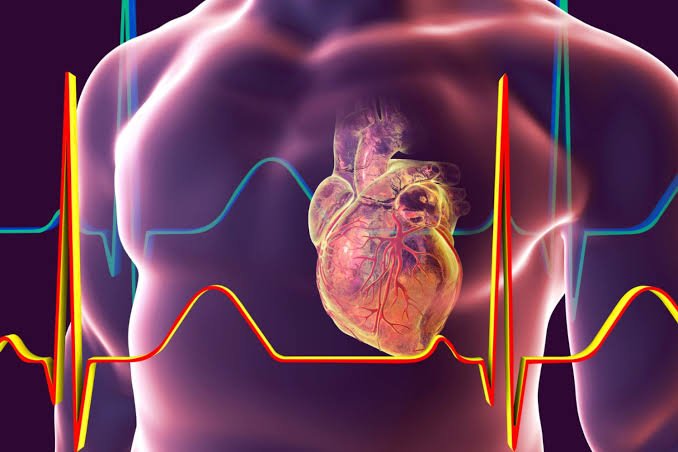
Comprehensive Cardiac Risk Assessment is a detailed evaluation designed to identify an individual’s risk of developing cardiovascular disease, heart attack, stroke, or other heart-related complications. It goes beyond a routine heart check-up by considering medical history, family history, lifestyle factors, blood pressure, cholesterol, blood sugar, weight, and other indicators of cardiovascular health. A personalised cardiac risk assessment can help detect potential problems at an early stage, even when a person has no obvious symptoms. Early identification of risk allows appropriate preventive measures and medical guidance to be introduced before serious heart disease develops.
Cardiovascular risk is usually influenced by a combination of modifiable and non-modifiable factors. High blood pressure, elevated cholesterol, diabetes, smoking, obesity, physical inactivity, unhealthy dietary habits, excessive alcohol consumption, and prolonged stress can significantly increase cardiovascular risk. A family history of premature heart disease, increasing age, and certain underlying medical conditions may also contribute to an individual’s overall risk. In many cases, several risk factors occur together and gradually affect the arteries and heart over time. A comprehensive cardiac risk assessment helps bring these factors together to provide a clearer understanding of an individual’s cardiovascular health.
Many important cardiovascular risk factors do not cause noticeable symptoms in their early stages. High blood pressure, elevated cholesterol, and early stages of coronary artery disease may remain undetected until significant disease develops. However, symptoms such as chest discomfort or pressure, shortness of breath, unexplained fatigue, palpitations, dizziness, reduced exercise tolerance, or swelling of the legs may indicate an underlying heart problem and should not be ignored. Some people may experience symptoms only during physical activity, while others may have no symptoms at all. Regular cardiac assessment is therefore particularly valuable for people with risk factors or a strong family history of heart disease.
A comprehensive cardiac risk assessment begins with a detailed review of the patient’s medical and family history, lifestyle, medications, and existing health conditions. Blood pressure, heart rate, body weight, body mass index, and other relevant physical measurements may be evaluated. Blood tests can help assess cholesterol levels, blood glucose, and other markers associated with cardiovascular risk. Depending on the patient’s age, symptoms, medical history, and risk profile, additional investigations such as an electrocardiogram (ECG), echocardiogram, stress testing, or advanced cardiac imaging may be recommended. The findings are considered together rather than in isolation to create an individualised assessment of cardiovascular risk.
The appropriate approach following a cardiac risk assessment depends on the individual’s specific risk factors and overall cardiovascular health. For people at lower risk, preventive care may focus on improving diet, increasing physical activity, maintaining a healthy weight, managing stress, avoiding tobacco, and maintaining healthy blood pressure and cholesterol levels. When risk factors are significant, medication may be recommended to control conditions such as hypertension, high cholesterol, or diabetes. If the assessment identifies possible underlying heart or vascular disease, further cardiac evaluation and specialist treatment may be necessary. The goal is not only to treat existing problems but also to reduce the likelihood of future cardiovascular events through personalised prevention and early intervention.
Ongoing monitoring is an important part of maintaining cardiovascular health after a cardiac risk assessment or treatment. Patients should follow their prescribed medications and attend recommended follow-up appointments so that blood pressure, cholesterol, blood sugar, weight, and other relevant factors can be monitored over time. A heart-healthy lifestyle that includes balanced nutrition, regular physical activity, adequate sleep, stress management, and avoidance of tobacco can provide important long-term benefits. Follow-up assessments may also be recommended when a person’s risk profile changes or when new symptoms develop. Consistent preventive care allows cardiovascular risks to be identified and addressed before they become more serious.
Cardiac risk assessment itself is generally a safe and preventive process, but the potential risks depend on the investigations that may be recommended as part of the evaluation. Routine measurements and blood tests carry minimal risks, while certain diagnostic procedures, such as stress testing or invasive investigations, may have specific risks that are discussed beforehand. More importantly, an assessment may identify previously undetected cardiovascular disease or significant risk factors requiring further evaluation. Early detection allows these concerns to be addressed appropriately and can help reduce the risk of complications such as heart attack, heart failure, stroke, or other cardiovascular events.
A comprehensive cardiac risk assessment can be valuable for adults who have cardiovascular risk factors, a family history of heart disease, or concerns about their long-term heart health, even if they currently feel well. Medical evaluation is particularly important for people with high blood pressure, diabetes, high cholesterol, obesity, a history of smoking, or reduced exercise tolerance. Anyone experiencing persistent or unexplained chest pain, pressure or discomfort, shortness of breath, fainting, severe dizziness, or sudden palpitations should seek prompt medical attention. Sudden chest discomfort accompanied by breathlessness, sweating, nausea, or pain spreading to the arm, shoulder, jaw, or back may indicate a heart attack and requires emergency medical care.
Explore More: Preventive Cardiology & Lifestyle Management

Providing advanced, compassionate and evidence-based cardiac care with a focus on interventional cardiology, structural heart procedures and comprehensive heart health.
9:00 AM – 6:00 PM (By Appointment Only)
No WhatsApp Number Found!
WhatsApp us