
Advanced cardiac procedures
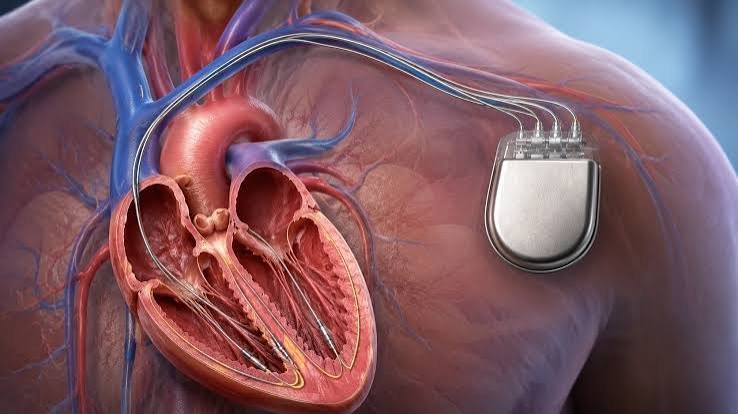
Cardiac Resynchronization Therapy (CRT) is an advanced treatment for selected patients with heart failure whose heart chambers do not contract in a coordinated manner. This lack of coordination, often associated with an abnormal electrical conduction pattern such as a prolonged QRS complex or left bundle branch block, can reduce the heart’s pumping efficiency. CRT uses a specialised cardiac device to deliver carefully timed electrical impulses that help the ventricles contract together more effectively. By improving the coordination of the heartbeat, CRT can enhance cardiac function, relieve heart failure symptoms, improve quality of life, and in appropriately selected patients, reduce the risk of hospitalisation and improve long-term outcomes.
CRT is generally considered when heart failure is accompanied by electrical and mechanical dyssynchrony within the heart. The underlying heart failure may result from conditions such as coronary artery disease and previous heart attack, cardiomyopathy, long-standing high blood pressure, heart valve disease, or other conditions that weaken the heart muscle. In some patients, the electrical conduction system becomes delayed or abnormal, causing the right and left ventricles to contract at different times. This uncoordinated contraction can further reduce the efficiency of an already weakened heart. CRT is therefore designed to address both the reduced pumping function and the electrical coordination problem in appropriately selected patients.
Patients who may benefit from CRT often experience symptoms related to chronic heart failure. These can include breathlessness, particularly during physical activity or when lying down, persistent tiredness, reduced exercise tolerance, swelling of the feet, ankles or legs, rapid or irregular heartbeat, and difficulty performing routine daily activities. Some individuals may also experience persistent coughing, difficulty sleeping because of breathlessness, or unexplained weight changes caused by fluid retention. Symptoms can vary considerably from person to person, and their severity does not always reflect the degree of underlying heart dysfunction. Persistent or worsening heart failure symptoms should be evaluated by a qualified cardiologist.
Before recommending Cardiac Resynchronization Therapy, a comprehensive cardiac assessment is performed to determine whether the treatment is appropriate. An echocardiogram is commonly used to evaluate the heart’s pumping function and measure the left ventricular ejection fraction. An electrocardiogram (ECG) helps identify electrical conduction abnormalities, including a prolonged QRS duration or bundle branch block. The cardiologist may also review the patient’s symptoms, heart failure history, medications, previous cardiac procedures, and underlying heart disease. Additional tests such as blood investigations, chest imaging, cardiac MRI, or coronary evaluation may be recommended when necessary. This detailed assessment helps determine whether CRT is likely to provide meaningful clinical benefit.
Cardiac Resynchronization Therapy is delivered through an implanted device connected to specialised pacing leads. Depending on the patient’s condition and risk of dangerous ventricular arrhythmias, the device may be a CRT-P, which provides resynchronization pacing, or a CRT-D, which combines resynchronization therapy with an implantable cardioverter-defibrillator. During the procedure, leads are generally positioned in the right atrium, right ventricle and a vein on the outer surface of the left ventricle so that electrical impulses can coordinate ventricular contraction. The device is then programmed according to the patient’s individual cardiac needs. CRT is usually used alongside comprehensive heart failure treatment, including appropriate medications and lifestyle measures.
After CRT implantation, regular follow-up is important to ensure that the device is functioning correctly and that treatment is effectively supporting the heart. The device may be checked and reprogrammed when necessary to optimise cardiac resynchronization. Patients should take prescribed heart failure medications as directed and follow recommendations regarding diet, physical activity, blood pressure, diabetes and other cardiovascular risk factors. The implantation site should be monitored for signs of infection, swelling, unusual pain or discharge during the recovery period. Routine device checks and cardiac assessments allow the medical team to monitor heart function and identify any issues at an early stage.
CRT implantation is generally considered a well-established procedure, but like any invasive treatment, it carries potential risks. These may include bleeding, infection, bruising, blood vessel injury, lead displacement, problems with device function, or complications related to the placement of the left ventricular lead. In rare cases, more serious complications such as damage to the heart or lung-related problems may occur. Some patients may not experience the expected improvement despite technically successful implantation, as response to CRT varies according to the underlying heart condition and individual characteristics. Careful patient selection, appropriate device programming and regular follow-up can help optimise treatment outcomes.
Patients with persistent or worsening heart failure symptoms should seek evaluation from a cardiologist, particularly if they experience increasing breathlessness, swelling, severe fatigue, reduced exercise capacity or repeated hospitalisations for heart failure. Patients who already have a CRT device should seek prompt medical attention for new or worsening symptoms, fainting, persistent palpitations, chest discomfort, unexplained dizziness, or signs of infection around the device site. Sudden severe breathlessness, chest pain, loss of consciousness, or other acute symptoms require emergency medical attention. Early assessment and appropriate management can help determine whether CRT or another advanced heart failure treatment may be suitable.
Explore More: Conduction-System Pacing

Providing advanced, compassionate and evidence-based cardiac care with a focus on interventional cardiology, structural heart procedures and comprehensive heart health.
9:00 AM – 6:00 PM (By Appointment Only)
No WhatsApp Number Found!
WhatsApp us