
Advanced cardiac procedures
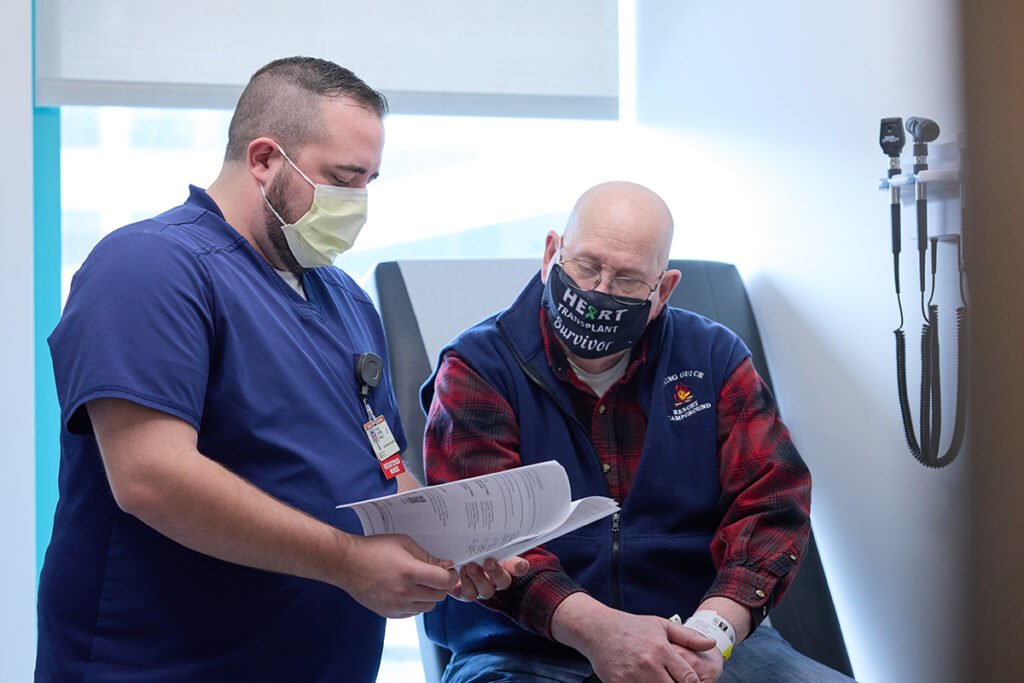
Advanced heart failure management is a specialised approach for patients whose heart is no longer able to pump blood effectively despite standard medical treatment. Heart failure does not mean that the heart has stopped working; rather, it indicates that the heart cannot supply enough blood and oxygen to meet the body’s needs. Advanced heart failure may require a comprehensive treatment plan involving medications, lifestyle modification, close monitoring, device-based therapies and, in selected patients, advanced procedures or heart transplantation. The goal of advanced heart failure management is to improve heart function where possible, relieve symptoms, reduce hospitalisation, improve quality of life and support long-term survival through personalised cardiovascular care.
Advanced heart failure can develop as a result of several conditions that damage or weaken the heart over time. Common causes include coronary artery disease and previous heart attacks, long-standing high blood pressure, cardiomyopathy, heart valve disease and certain abnormal heart rhythms. Diabetes, obesity, excessive alcohol consumption and some inherited or inflammatory heart conditions may also contribute to progressive heart dysfunction. In some patients, the exact cause may not be immediately apparent. Identifying the underlying cause is an important part of advanced heart failure management because treating the contributing condition can help slow disease progression and improve overall cardiovascular health.
Symptoms of advanced heart failure may become more persistent or severe as the heart’s pumping ability declines. Patients may experience breathlessness during activity or even at rest, persistent tiredness, reduced exercise tolerance and difficulty performing everyday activities. Swelling of the legs, ankles or abdomen can occur because of fluid accumulation, while some patients may experience rapid weight gain, persistent coughing, difficulty lying flat or waking at night with shortness of breath. Loss of appetite, nausea, dizziness and difficulty concentrating may also occur in more advanced stages. Changes in symptoms should be monitored carefully because worsening breathlessness, swelling or sudden weight gain may indicate fluid overload or deterioration of heart function.
A comprehensive evaluation is essential for determining the severity and cause of heart failure and for selecting an appropriate treatment strategy. The assessment typically includes a detailed medical history, physical examination and evaluation of symptoms and functional capacity. An echocardiogram is commonly used to assess heart structure and pumping function, while an electrocardiogram can identify abnormal heart rhythms or electrical changes. Blood tests, chest imaging, stress testing, cardiac MRI or coronary evaluation may be recommended depending on the patient’s condition. In selected cases, advanced haemodynamic assessment may be required to understand pressures within the heart and blood vessels. Regular monitoring helps the cardiology team assess disease progression and adjust treatment appropriately.
Advanced heart failure treatment is individualised according to the type and severity of heart failure, heart function, underlying cause and overall health. Modern medical therapy may include medications that reduce the workload on the heart, control blood pressure, remove excess fluid and improve cardiovascular outcomes. Depending on the patient’s condition, additional treatments may include medicines that influence the renin-angiotensin system, beta-blockers, mineralocorticoid receptor antagonists and SGLT2 inhibitors. Some patients may benefit from cardiac resynchronisation therapy, implantable cardioverter-defibrillators or other specialised cardiac devices. When heart failure remains severe despite optimal treatment, selected patients may be evaluated for mechanical circulatory support, such as a ventricular assist device, or heart transplantation. Management of conditions such as coronary artery disease, valve disease or abnormal heart rhythms is also an important part of comprehensive care.
Long-term follow-up is an essential component of advanced heart failure management. Patients should take prescribed medications consistently and attend regular cardiology appointments so that symptoms, heart function, blood pressure, kidney function and fluid status can be monitored. Depending on individual medical advice, patients may need to monitor their weight regularly and follow recommendations regarding salt and fluid intake. Maintaining a healthy lifestyle, avoiding smoking and limiting alcohol can support cardiovascular health. Physical activity and cardiac rehabilitation may also be recommended when appropriate. Patients and caregivers should understand the warning signs of worsening heart failure and know when medical attention is required, as early intervention can help prevent serious complications and unnecessary hospitalisation.
Advanced heart failure can lead to complications when the heart’s ability to pump blood becomes severely impaired. Possible complications include fluid accumulation in the lungs or other parts of the body, kidney dysfunction, liver congestion, abnormal heart rhythms, blood clots and recurrent hospitalisation. Severe heart failure may also reduce blood flow to vital organs and can increase the risk of life-threatening arrhythmias or cardiogenic shock. Treatment procedures and advanced therapies also carry their own potential risks, which vary according to the specific treatment and the patient’s overall health. Careful assessment and continuous monitoring are therefore important for balancing treatment benefits with potential complications.
Patients with known heart failure should seek medical advice if their symptoms gradually worsen or become more difficult to control. Increasing breathlessness, swelling of the feet or abdomen, unexplained weight gain, persistent fatigue, reduced ability to perform normal activities or worsening cough may indicate that heart failure is progressing or that fluid is accumulating. Emergency medical attention is required for severe or sudden breathlessness, chest pain, fainting, confusion, blue or grey lips or skin, or symptoms that rapidly become worse. Early evaluation and specialised advanced heart failure management can help identify changes in the condition and allow treatment to be adjusted before complications become more serious.
Explore More: Cardiogenic Shock Management

Providing advanced, compassionate and evidence-based cardiac care with a focus on interventional cardiology, structural heart procedures and comprehensive heart health.
9:00 AM – 6:00 PM (By Appointment Only)
No WhatsApp Number Found!
WhatsApp us