
Advanced cardiac procedures
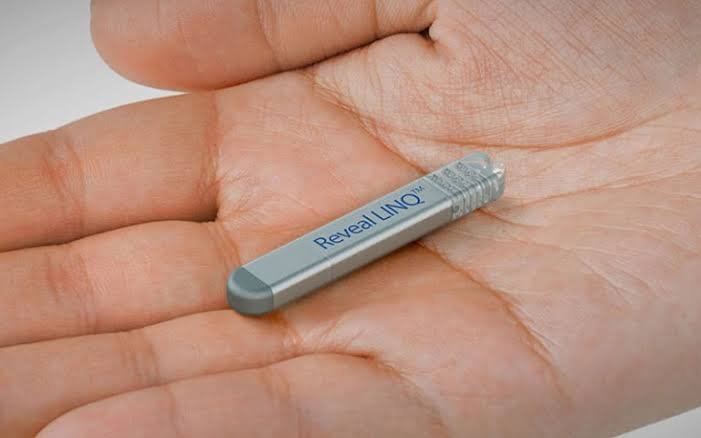
An Implantable Loop Recorder (ILR) is a small, minimally invasive cardiac monitoring device used to continuously record the heart’s electrical activity over an extended period. It is particularly helpful when symptoms such as unexplained fainting, dizziness, palpitations, or suspected abnormal heart rhythms occur infrequently and cannot be captured during a routine ECG or short-term Holter monitoring. The device is placed just beneath the skin of the chest and continuously monitors the heart rhythm, allowing doctors to identify intermittent arrhythmias that may otherwise remain undetected. An implantable loop recorder can provide valuable information for diagnosing conditions such as atrial fibrillation and other rhythm disturbances.
An implantable loop recorder is not used to treat a specific disease but to investigate symptoms or situations where an intermittent heart rhythm problem is suspected. It may be recommended when unexplained fainting or near-fainting episodes could be related to an abnormal heartbeat. It can also be useful when there is a concern about intermittent atrial fibrillation, unexplained palpitations, or an increased risk of certain cardiac rhythm abnormalities. In some patients, an ILR may be considered after a stroke when doctors suspect an irregular rhythm, particularly atrial fibrillation, as a possible underlying cause. The decision depends on the patient’s symptoms, medical history and results from previous cardiac tests.
The symptoms that may lead a doctor to recommend an implantable loop recorder are usually related to intermittent heart rhythm disturbances. Patients may experience unexplained fainting or loss of consciousness, dizziness, light-headedness, a sensation of a racing or irregular heartbeat, unusual fatigue, shortness of breath, or episodes of weakness. Some arrhythmias may produce no noticeable symptoms at all and may only be detected through prolonged monitoring. Because these rhythm abnormalities can occur unpredictably, conventional ECG testing may not always capture them, making long-term monitoring particularly valuable in selected patients.
Before recommending an implantable loop recorder, a cardiologist generally reviews the patient’s symptoms, medical history and previous cardiac investigations. Tests such as a standard electrocardiogram (ECG), Holter monitoring, event monitoring, echocardiography and other cardiac evaluations may be performed depending on the clinical situation. If symptoms remain unexplained because they occur too infrequently to be captured by conventional monitoring, an ILR may provide a more effective way to record the heart rhythm over a much longer period. The device can automatically detect certain rhythm abnormalities and can also store recordings associated with symptoms reported by the patient.
An implantable loop recorder is primarily a diagnostic monitoring device rather than a treatment itself. The procedure involves placing the small device beneath the skin of the chest through a minor incision, usually under local anaesthesia. Once implanted, it continuously monitors the heart’s electrical activity and stores relevant rhythm recordings. The information can be transmitted to the healthcare team through compatible remote monitoring technology, allowing abnormal rhythms to be reviewed even when the patient is at home. If an arrhythmia is identified, appropriate treatment may then be recommended, which could include medication, catheter ablation, pacemaker implantation, anticoagulation for selected patients with atrial fibrillation, or other cardiac therapies depending on the specific diagnosis.
After an implantable loop recorder procedure, patients are generally advised to keep the incision clean and follow the wound-care instructions provided by their medical team. Mild tenderness or bruising around the implantation site may occur for a short period and usually improves as the area heals. Patients should attend scheduled follow-up appointments so the device recordings can be reviewed and its monitoring function assessed. Remote monitoring may also allow the healthcare team to receive important rhythm information without requiring frequent in-person visits. Continuing prescribed cardiac medications and maintaining regular follow-up are important, particularly when the ILR is being used to investigate a potentially significant heart rhythm disorder.
Implantable loop recorder implantation is generally considered a minimally invasive procedure, but as with any medical procedure, there are potential risks. These may include temporary pain, bruising, bleeding, infection, swelling or irritation around the implantation site. In uncommon cases, the device may move from its original position or require repositioning or removal. There may also be technical issues with device recording or communication. Your cardiologist will assess your individual health circumstances and explain the expected benefits and potential risks before the procedure.
You should seek medical evaluation if you experience unexplained fainting, recurrent dizziness, persistent or unexplained palpitations, episodes of an unusually fast or slow heartbeat, or other symptoms that may suggest an intermittent heart rhythm problem. Immediate medical attention is important if symptoms are accompanied by severe chest pain, significant breathing difficulty, prolonged loss of consciousness, or other signs of a potentially serious cardiac or neurological event. If an implantable loop recorder has already been placed, contact your healthcare team if you notice increasing redness, swelling, discharge, significant pain or fever around the implantation site, or if you experience new or worsening symptoms. Early evaluation and prolonged rhythm monitoring can help identify hidden arrhythmias and guide timely, appropriate cardiac care.
Explore More: Advanced Heart Failure Management

Providing advanced, compassionate and evidence-based cardiac care with a focus on interventional cardiology, structural heart procedures and comprehensive heart health.
9:00 AM – 6:00 PM (By Appointment Only)
No WhatsApp Number Found!
WhatsApp us