
Advanced cardiac procedures
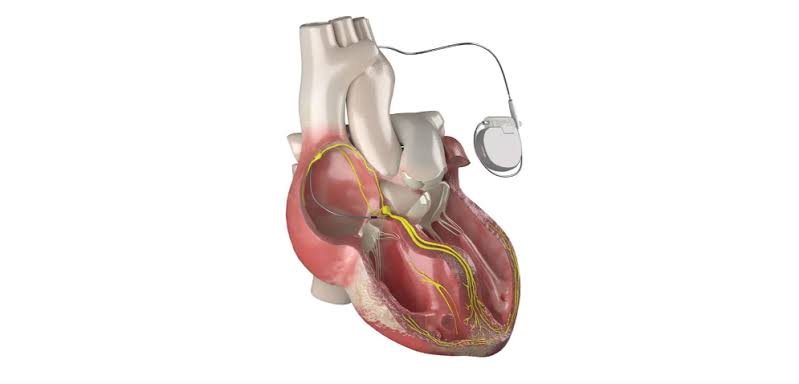
Conduction-system pacing is an advanced form of permanent pacemaker therapy designed to stimulate the heart’s natural electrical conduction system. Unlike conventional pacemakers that typically stimulate the heart muscle directly, conduction-system pacing aims to activate specialised pathways such as the His-Purkinje system, allowing the electrical impulse to travel through the heart in a more natural and coordinated manner. This approach can help maintain better ventricular synchrony and may be considered for patients who require long-term pacing because of slow heart rhythms, heart block or other conduction disorders. Depending on the patient’s individual condition and cardiac anatomy, the technique may involve His-bundle pacing or left bundle branch area pacing.
Conduction-system pacing is not usually performed because of a single underlying disease; rather, it may be recommended when a patient develops a heart rhythm or electrical conduction problem requiring permanent pacing. Conditions such as complete heart block, advanced atrioventricular (AV) block, symptomatic bradycardia and certain forms of sinus node dysfunction can interfere with the heart’s ability to generate or conduct electrical impulses normally. In some patients, a high expected requirement for ventricular pacing may also influence the choice of conduction-system pacing because maintaining a more physiological activation pattern can be an important consideration in long-term pacemaker therapy.
The symptoms that lead to the evaluation for a pacemaker can vary depending on the severity of the underlying conduction disorder. Patients may experience an unusually slow heartbeat, persistent fatigue, weakness, dizziness, light-headedness or reduced exercise tolerance. Some people may experience fainting or near-fainting episodes when the heart rate becomes too slow to maintain adequate blood flow to the brain. Breathlessness, reduced stamina or episodes of confusion may also occur in more significant cases. Because these symptoms can have several possible causes, a proper cardiac assessment is important before determining whether conduction-system pacing is appropriate.
Diagnosis begins with a detailed medical history, physical examination and assessment of symptoms. An electrocardiogram (ECG) is an important test for identifying abnormalities in the heart’s electrical conduction, including different types of heart block and slow heart rhythms. Depending on the clinical situation, prolonged rhythm monitoring with a Holter monitor or another ambulatory ECG device may be recommended to detect intermittent conduction abnormalities. Echocardiography can help assess heart structure and pumping function, while additional cardiac investigations may be performed when required. The results help the cardiology team determine the cause of the rhythm problem and whether permanent pacing is appropriate.
When permanent pacing is indicated, conduction-system pacing can provide a more physiological alternative to conventional right ventricular pacing in selected patients. During the procedure, a specialised pacing lead is carefully positioned near the His bundle or the left bundle branch area to capture the heart’s natural conduction system. The lead is then connected to a pulse generator implanted beneath the skin, usually in the upper chest. His-bundle pacing directly targets the His bundle, while left bundle branch area pacing is designed to capture the conduction system on the left side of the heart. The most suitable approach depends on the patient’s electrical conduction pattern, heart function, anatomy and long-term pacing requirements.
After conduction-system pacemaker implantation, patients usually require a period of recovery and regular follow-up to ensure that the device is functioning correctly. The pacemaker is checked using specialised programming equipment, and pacing parameters may be adjusted according to the patient’s needs. Patients should follow instructions regarding wound care and physical activity during the initial recovery period, particularly avoiding excessive strain on the arm and shoulder on the implantation side until advised otherwise. Long-term follow-up is important to monitor battery status, lead performance and heart rhythm. Maintaining good control of blood pressure, diabetes, cholesterol and other cardiovascular risk factors can also support overall heart health.
Conduction-system pacing is generally performed using minimally invasive techniques, but as with any pacemaker procedure, potential complications can occur. These may include bleeding or bruising at the implantation site, infection, blood vessel injury, lead displacement or difficulty obtaining stable electrical capture. In rare cases, complications involving the heart or surrounding structures may occur. Lead-related issues can sometimes require repositioning or further intervention. Careful pre-procedure assessment, appropriate lead placement and regular device monitoring help reduce these risks and support reliable long-term pacemaker function.
You should consult a cardiologist if you experience unexplained dizziness, fainting, persistent fatigue, unusual weakness, breathlessness or symptoms suggesting an abnormally slow heartbeat. Patients who have already been diagnosed with heart block or another significant conduction disorder may require specialist evaluation to determine whether permanent pacing is necessary. After pacemaker implantation, urgent medical attention is important if there is severe chest pain, significant breathlessness, fainting, persistent palpitations, signs of infection around the device site or sudden worsening of symptoms. Early evaluation can help identify rhythm problems and ensure timely treatment when required.
Explore More: Implantable Loop Recorder

Providing advanced, compassionate and evidence-based cardiac care with a focus on interventional cardiology, structural heart procedures and comprehensive heart health.
9:00 AM – 6:00 PM (By Appointment Only)
No WhatsApp Number Found!
WhatsApp us