
Advanced minimally invasive procedures for structural heart conditions
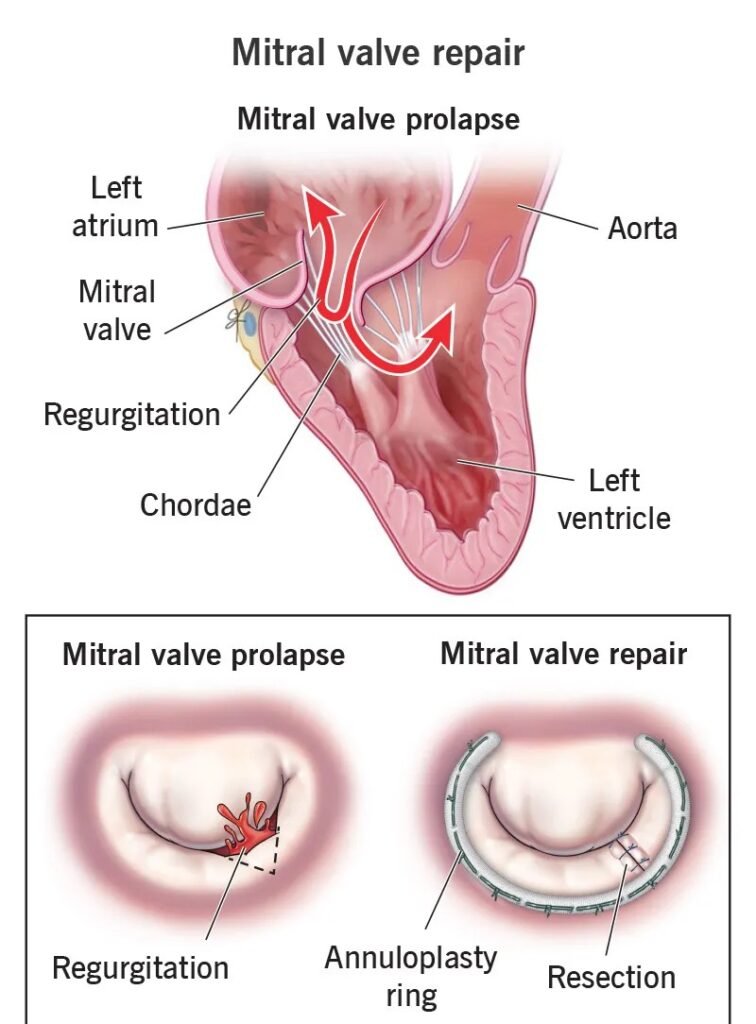
Mitral valve interventions are specialised cardiac procedures used to treat diseases affecting the mitral valve, which controls blood flow between the left atrium and left ventricle of the heart. When the valve becomes narrowed or fails to close properly, it can affect the heart’s ability to pump blood efficiently and may lead to symptoms such as breathlessness, fatigue, palpitations, or swelling. Depending on the severity and type of valve disease, modern mitral valve interventions can include minimally invasive catheter-based procedures as well as surgical repair or replacement. The appropriate treatment is selected after a detailed assessment of the patient’s heart function, symptoms, overall health, and valve anatomy.
Mitral valve disease can develop due to several underlying conditions. Common causes include mitral valve prolapse, rheumatic heart disease, age-related degeneration, calcium deposition around the valve, congenital abnormalities, and damage resulting from certain infections such as infective endocarditis. Previous heart disease, cardiomyopathy, or enlargement of the heart chambers can also contribute to mitral regurgitation, where blood flows backward through the valve. In some patients, the mitral valve may gradually deteriorate over many years without producing noticeable symptoms until the condition becomes more advanced.
Symptoms of mitral valve disease can vary depending on the severity of the valve problem and the overall condition of the heart. Patients may experience shortness of breath, particularly during physical activity or while lying down, persistent tiredness, reduced exercise tolerance, rapid or irregular heartbeat, chest discomfort, dizziness, or swelling of the ankles and feet. Some individuals may remain symptom-free for a considerable period, even when significant valve disease is present. The development or worsening of breathlessness, unexplained fatigue, or palpitations should therefore be evaluated by a qualified cardiologist.
Accurate diagnosis is essential before deciding whether mitral valve intervention is required. A cardiologist begins with a detailed medical history and physical examination, including assessment for an abnormal heart murmur. Echocardiography is one of the most important investigations because it provides detailed information about the structure and function of the mitral valve, the severity of leakage or narrowing, and the effect on the heart chambers. Depending on the individual case, additional tests such as electrocardiography, chest imaging, cardiac CT, cardiac MRI, transoesophageal echocardiography, or cardiac catheterisation may be recommended to assess the valve more precisely and determine the most appropriate treatment approach.
Treatment for mitral valve disease depends on the severity of the condition, symptoms, heart function, valve anatomy, and the patient’s overall health. Mild disease may be monitored regularly with medicines used to control symptoms or associated conditions. When significant valve disease requires an intervention, mitral valve repair is often preferred when a durable repair is technically possible because it preserves the patient’s own valve. Surgical mitral valve replacement may be considered when repair is not suitable. For selected patients who have a high risk associated with conventional surgery, catheter-based procedures such as transcatheter edge-to-edge repair may provide a less invasive treatment option. The choice between surgical and minimally invasive mitral valve interventions should be made after comprehensive evaluation by an experienced heart team.
Recovery after a mitral valve intervention depends on the type of procedure performed and the patient’s individual health condition. Patients may require prescribed medicines to support heart function, prevent blood clots when indicated, or manage related cardiovascular conditions. Regular follow-up appointments and echocardiographic monitoring are important to evaluate valve function and overall heart performance. A gradual return to physical activity is generally advised according to the treating cardiologist’s recommendations. Maintaining a heart-healthy lifestyle, controlling blood pressure and cholesterol, avoiding tobacco, following prescribed medications, and attending scheduled cardiac reviews can contribute to long-term outcomes.
Although modern mitral valve interventions are performed with advanced techniques and careful monitoring, every cardiac procedure carries potential risks. Depending on the treatment, complications may include bleeding, infection, abnormal heart rhythm, blood clots, stroke, damage to surrounding cardiac structures, kidney-related complications, or recurrence of valve dysfunction. Surgical procedures may also involve risks associated with anaesthesia and recovery. Catheter-based interventions can have procedure-specific complications, although careful patient selection and experienced specialist care help minimise these risks. Before treatment, the cardiology team discusses the expected benefits, potential risks, and most suitable approach for each patient.
Medical evaluation is recommended if you develop persistent breathlessness, unusual fatigue, reduced ability to perform routine activities, recurrent palpitations, chest discomfort, dizziness, or swelling of the legs. Patients who have already been diagnosed with mitral valve disease should follow their recommended cardiac monitoring schedule, even if they feel well, because valve disease can progress gradually without obvious symptoms. Sudden severe breathlessness, fainting, intense chest pain, or other acute symptoms require urgent medical attention. Early diagnosis and timely management of mitral valve disease can help protect heart function and improve long-term quality of life.
Explore More: Transcatheter Mitral Valve Repair (TEER)

Providing advanced, compassionate and evidence-based cardiac care with a focus on interventional cardiology, structural heart procedures and comprehensive heart health.
9:00 AM – 6:00 PM (By Appointment Only)
No WhatsApp Number Found!
WhatsApp us