
Advanced cardiac procedures
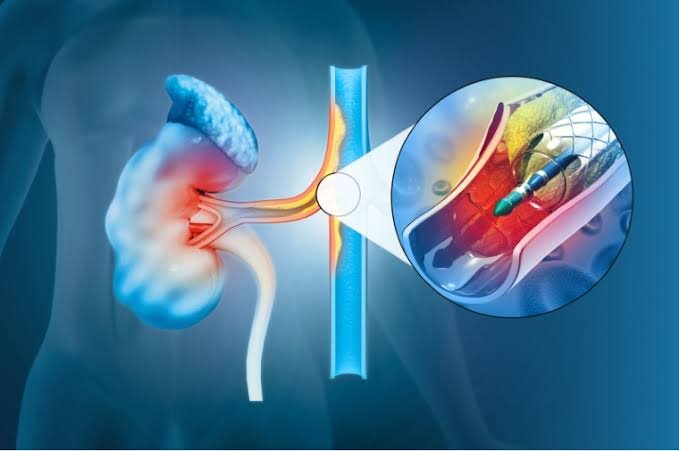
Renal artery interventions are minimally invasive procedures used to restore or improve blood flow to the kidneys when the renal arteries become significantly narrowed or blocked. This condition, known as renal artery stenosis, can reduce the supply of oxygen-rich blood reaching the kidneys and may contribute to difficult-to-control high blood pressure or deterioration in kidney function. Depending on the severity and underlying cause, treatment may involve careful medical management, angioplasty, stent placement, or, in selected cases, surgical revascularization. The decision to perform an intervention is based on the individual patient’s symptoms, kidney function, blood pressure control, degree and cause of arterial narrowing, and overall health.
Renal artery narrowing can develop for several reasons. The most common cause is atherosclerosis, in which fatty deposits and plaque build up inside the artery and gradually restrict blood flow. This is more frequently associated with cardiovascular risk factors such as high cholesterol, smoking, diabetes, high blood pressure, and increasing age. Another important cause is fibromuscular dysplasia, a condition affecting the arterial wall that can cause narrowing without the typical plaque associated with atherosclerosis. Less commonly, renal artery problems may occur due to blood clots, injury, inflammation, or other vascular conditions.
Renal artery stenosis may remain silent for a long time, particularly when the narrowing is mild or affects only one kidney. In some patients, the first indication is high blood pressure that develops suddenly, becomes increasingly difficult to control, or requires several medications. Reduced blood flow to the kidneys can also be associated with worsening kidney function, fluid retention, or recurrent episodes of heart failure in certain patients. Because symptoms can be subtle or absent, unexplained or resistant hypertension and changes in kidney function may prompt further evaluation for a possible renal artery disorder.
A thorough assessment is important before considering renal artery intervention. The evaluation generally begins with a detailed medical history, physical examination, blood pressure assessment, and blood and urine tests to evaluate kidney function. Imaging plays an important role in identifying the location and severity of narrowing. Depending on the patient’s circumstances, tests may include Doppler ultrasound, CT angiography, magnetic resonance angiography, or renal angiography. Renal angiography can provide detailed information about the renal arteries and may also allow treatment to be performed during the same procedure when intervention is appropriate.
Treatment is individualized according to the severity of renal artery disease and its effect on blood pressure and kidney function. Many patients can be managed with appropriate blood pressure medicines, cholesterol-lowering treatment, lifestyle modification, and careful monitoring. However, selected patients with significant renal artery narrowing and clinically important complications may benefit from revascularization. Renal angioplasty involves guiding a thin catheter to the narrowed artery and using a small balloon to widen the affected segment. A stent may then be placed to help maintain blood flow through the artery. In certain cases, particularly those related to fibromuscular dysplasia, angioplasty may be considered without stent placement. Surgical bypass or other vascular reconstruction may be considered when minimally invasive treatment is unsuitable or unsuccessful.
Following a renal artery intervention, appropriate follow-up is essential to monitor blood pressure, kidney function, and the treated artery. Patients may be advised to take prescribed medications consistently and attend scheduled clinical and imaging assessments. Maintaining a heart-healthy lifestyle, controlling blood sugar and cholesterol, reducing excessive salt intake, avoiding tobacco, and maintaining a healthy weight can help protect blood vessels and support long-term cardiovascular and kidney health. The treating specialist will also advise when normal physical activities can be resumed and whether additional imaging is required to monitor the treated renal artery.
Although renal artery interventions are generally performed using minimally invasive techniques, every procedure carries potential risks. These may include bleeding or bruising at the catheter insertion site, damage to the blood vessel, formation of a blood clot, allergic or other reactions to contrast material, kidney injury related to the procedure, or recurrence of narrowing in the treated artery. Rarely, more serious vascular or kidney-related complications can occur. Careful patient selection, appropriate imaging, and close monitoring before and after the procedure help reduce these risks.
Medical evaluation is recommended when blood pressure remains high despite appropriate treatment, particularly when several medications are required to achieve control. A specialist assessment may also be appropriate when kidney function unexpectedly declines, hypertension develops at an unusually young or later age, or there are recurrent episodes of unexplained fluid accumulation or heart failure. Early evaluation can help determine whether renal artery disease is contributing to these problems and whether medical treatment, monitoring, or renal artery intervention is appropriate.
Explore More: Carotid Artery Interventions

Providing advanced, compassionate and evidence-based cardiac care with a focus on interventional cardiology, structural heart procedures and comprehensive heart health.
9:00 AM – 6:00 PM (By Appointment Only)
No WhatsApp Number Found!
WhatsApp us