Advanced cardiac procedures
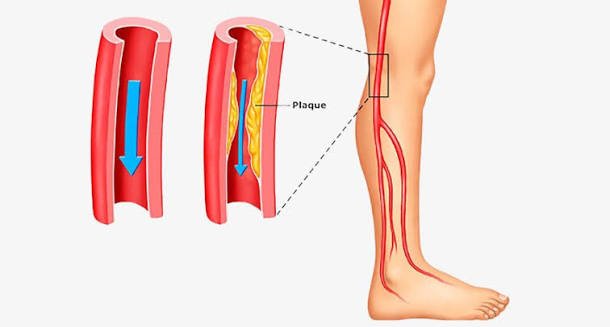
Peripheral Angiography & Interventions are advanced minimally invasive procedures used to evaluate and treat narrowed or blocked arteries outside the heart, particularly those supplying the legs and feet. Peripheral artery disease (PAD) commonly develops when fatty deposits and plaque build up inside the arteries, restricting normal blood flow to the limbs. Peripheral angiography provides detailed images of the blood vessels, helping identify the location and severity of blockages. When appropriate, an intervention can be performed during the same procedure to improve blood flow, relieve symptoms, support wound healing, and reduce the risk of serious complications.
Under the expert care of Dr. Deepak Saha, the treatment approach is tailored to the individual’s symptoms, vascular condition, medical history, and overall cardiovascular risk. Depending on the findings, minimally invasive techniques such as balloon angioplasty or stent placement may be considered to restore circulation while avoiding or delaying the need for open surgery.
Peripheral artery narrowing or blockage is most commonly associated with atherosclerosis, a condition in which cholesterol, calcium, and other substances accumulate within the arterial walls. The risk may increase with smoking, diabetes, high blood pressure, high cholesterol, obesity, increasing age, and a history of cardiovascular disease. In some patients, blood clots or other vascular conditions can also interfere with circulation.
Poor circulation can gradually reduce the supply of oxygen-rich blood to the muscles, skin, and tissues of the affected limb. Identifying and managing the underlying risk factors is an important part of treatment because peripheral artery disease may be associated with plaque buildup in other blood vessels as well.
Peripheral artery disease can develop gradually, and some people may have few or no noticeable symptoms in its early stages. A common warning sign is pain, aching, heaviness, or cramping in the calf, thigh, buttocks, or foot while walking or exercising that improves after resting. Other symptoms may include leg weakness or numbness, a colder foot compared with the other side, changes in skin colour, reduced hair or nail growth, and wounds that heal slowly.
As circulation becomes more severely impaired, pain may occur even at rest, particularly in the foot or toes. Non-healing ulcers, skin discoloration, infection, or tissue damage may indicate advanced disease and require prompt medical assessment.
Diagnosis begins with a detailed medical history and physical examination, including assessment of pulses and circulation in the legs and feet. Tests such as the ankle-brachial index (ABI), Doppler ultrasound, and other vascular studies can help determine whether blood flow is reduced and identify the severity of arterial disease.
When more detailed vascular mapping is required, CT angiography, MR angiography, or catheter-based peripheral angiography may be recommended. During catheter-based angiography, a thin catheter is guided into the blood vessel and contrast dye is introduced so that X-ray imaging can clearly show narrowed or blocked arteries. In selected patients, this diagnostic procedure can also allow treatment to be performed during the same session.
Treatment depends on the severity and location of the arterial blockage, the patient’s symptoms, and the condition of the affected limb. Initial management may include lifestyle changes, supervised physical activity, smoking cessation, and medicines to control cholesterol, blood pressure, blood sugar, and the risk of blood clots. When symptoms remain significant or circulation is severely compromised, an endovascular intervention may be recommended.
Peripheral angioplasty involves guiding a small balloon catheter to the narrowed section of an artery and inflating the balloon to improve the passage of blood. In selected cases, a stent may be placed to help keep the artery open and maintain blood flow. These minimally invasive approaches can be used to improve walking ability, relieve symptoms, support healing of vascular-related wounds, and reduce the consequences of severe arterial insufficiency.
Recovery after peripheral angiography or an endovascular intervention depends on the specific procedure and the patient’s overall health. Patients are generally advised to follow their prescribed medication schedule carefully and attend recommended follow-up appointments. If a stent has been placed, antiplatelet medication may be prescribed to reduce the risk of clot formation, and it should not be stopped without medical advice.
Long-term care focuses on protecting the treated artery and reducing the risk of further vascular disease. Maintaining healthy blood pressure, blood sugar, and cholesterol levels, avoiding tobacco, following a heart-healthy lifestyle, staying physically active as advised, and taking prescribed medicines consistently are important components of ongoing vascular care. Regular monitoring can help identify recurrent symptoms or changes in circulation at an early stage.
Peripheral angiography and endovascular interventions are generally performed using minimally invasive techniques, but like any medical procedure, they may involve certain risks. These can include bleeding or bruising at the catheter insertion site, infection, allergic or other reactions to contrast material, blood vessel injury, blood clot formation, or re-narrowing of the treated artery. The likelihood of complications varies depending on the patient’s health, the location and complexity of the blockage, and the type of intervention performed.
In patients with severe peripheral artery disease, inadequate blood flow can lead to persistent pain, non-healing wounds, infection, tissue damage, or limb-threatening ischemia. A sudden loss of blood flow to a limb is a medical emergency and requires immediate treatment.
You should consider a vascular or cardiovascular evaluation if you experience recurring leg pain or cramping while walking, unexplained leg weakness or numbness, persistent coldness of a foot, changes in skin colour, or wounds on the feet or legs that are slow to heal. People with diabetes, a history of smoking, high cholesterol, high blood pressure, or other cardiovascular risk factors may also benefit from appropriate vascular assessment.
Urgent medical attention is required if a leg or foot suddenly becomes cold, pale or blue, severely painful, numb, or difficult to move. These symptoms can indicate acute limb ischemia, a serious reduction in blood flow that requires rapid medical treatment to protect the limb.
Explore More: Renal Artery Interventions

Providing advanced, compassionate and evidence-based cardiac care with a focus on interventional cardiology, structural heart procedures and comprehensive heart health.
9:00 AM – 6:00 PM (By Appointment Only)
No WhatsApp Number Found!
WhatsApp us