
Advanced cardiac procedures
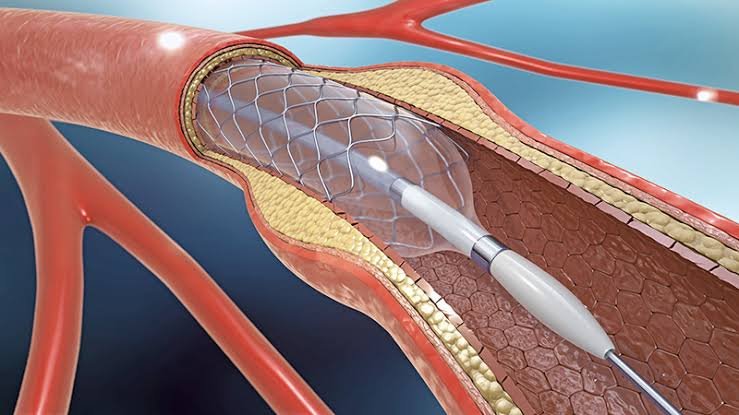
Coronary Angioplasty, also known as Percutaneous Coronary Intervention (PCI), is a minimally invasive procedure used to improve blood flow through narrowed or blocked coronary arteries. These arteries supply oxygen-rich blood to the heart muscle, and their narrowing can lead to symptoms such as angina or, in more serious cases, a heart attack. During PCI, a thin catheter is guided through an artery, usually from the wrist or groin, to the affected coronary artery. A small balloon is inflated at the narrowed area to restore blood flow, and a stent is commonly placed to help keep the artery open.
The most common reason a patient may require coronary angioplasty is coronary artery disease, which generally develops when fatty deposits build up inside the coronary arteries, a process known as atherosclerosis. Risk factors such as high cholesterol, high blood pressure, diabetes, smoking, obesity, physical inactivity and a family history of heart disease can increase the likelihood of developing coronary artery narrowing. In some patients, a blood clot may suddenly block an already narrowed artery, resulting in a heart attack and requiring urgent PCI to restore blood flow.
Symptoms associated with coronary artery narrowing can vary depending on the severity and location of the blockage. Common symptoms include chest pain or pressure, particularly during physical activity or emotional stress, along with shortness of breath, unusual tiredness, sweating, nausea or discomfort that may spread to the arm, shoulder, neck, jaw or back. Some people may have few or no noticeable symptoms until the disease becomes more advanced. Sudden or severe chest discomfort, especially when accompanied by breathlessness, sweating, nausea or pain spreading to the arm or jaw, may indicate a heart attack and requires immediate medical attention.
Before recommending coronary angioplasty, a cardiologist evaluates the patient’s symptoms, medical history and cardiovascular risk factors. Depending on the clinical situation, investigations may include an electrocardiogram (ECG), blood tests, echocardiography, stress testing or CT coronary angiography. A coronary angiogram may then be performed to identify the exact location and severity of a narrowing or blockage. During PCI, specialised imaging and, when appropriate, additional techniques such as pressure-wire assessment may help determine the significance of a coronary narrowing and guide treatment decisions.
The appropriate treatment depends on the extent of coronary artery disease, symptoms, overall health and whether the condition is stable or an emergency. Some patients can be effectively managed with medicines and lifestyle modifications, while others may benefit from PCI. During coronary angioplasty, a balloon is carefully positioned across the narrowed artery and inflated to improve the passage for blood. A coronary stent, usually a small wire-mesh tube, is commonly inserted to help maintain the artery’s openness. PCI may be planned for significant coronary narrowing or performed urgently as part of heart attack treatment. In patients with extensive or complex coronary artery disease, coronary artery bypass grafting (CABG) may be considered as an alternative.
Recovery after coronary angioplasty involves more than the procedure itself. Patients are generally advised to take prescribed medicines exactly as directed, particularly antiplatelet medicines when a stent has been placed, and to attend scheduled follow-up appointments. A heart-healthy lifestyle is also important, including a balanced diet, regular physical activity as advised by the cardiologist, maintaining a healthy weight, avoiding tobacco and keeping conditions such as diabetes, high blood pressure and high cholesterol under control. Cardiac rehabilitation may also support a safe and gradual return to normal activities. The timing of recovery and restrictions on strenuous activity depend on the individual patient’s condition and the circumstances of the procedure.
Coronary angioplasty is widely performed and serious complications are uncommon, but like any medical procedure, PCI carries certain risks. Mild bruising or bleeding at the catheter insertion site can occur. Less common complications may include damage to the blood vessel, an allergic reaction to the contrast dye, kidney-related complications, blood clots, re-narrowing of the treated artery, heart attack or stroke. The individual risk varies according to factors such as age, overall health, the complexity of the coronary disease and whether PCI is being performed as an emergency. Your cardiologist will discuss the expected benefits and potential risks before treatment.
You should consult a cardiologist if you experience recurring chest discomfort, breathlessness during activity, unexplained fatigue or symptoms that may suggest reduced blood flow to the heart. Patients who have already undergone coronary angioplasty should also seek medical advice if they develop recurrent chest pain, increasing shortness of breath, unusual weakness or problems around the catheter insertion site. Sudden or severe chest pain or pressure, particularly when associated with breathlessness, sweating, nausea, dizziness or discomfort spreading to the arm, jaw, neck or back, can be a medical emergency. Immediate emergency medical care should be sought rather than waiting for a routine appointment.
Explore More: Primary Angioplasty Heart Attack

Providing advanced, compassionate and evidence-based cardiac care with a focus on interventional cardiology, structural heart procedures and comprehensive heart health.
9:00 AM – 6:00 PM (By Appointment Only)
No WhatsApp Number Found!
WhatsApp us