
Advanced minimally invasive procedures for structural heart conditions
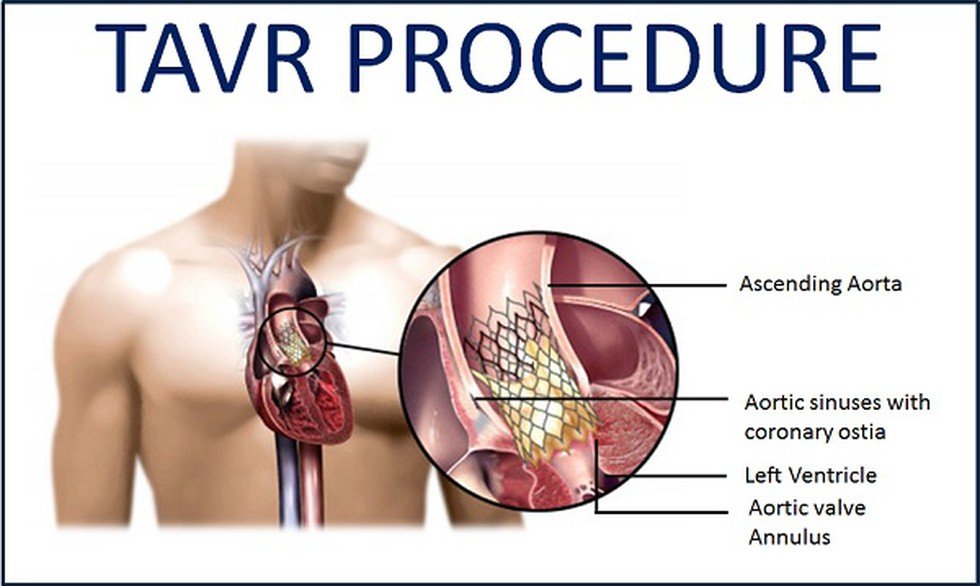
Transcatheter Aortic Valve Replacement (TAVR), also known as Transcatheter Aortic Valve Implantation (TAVI), is a minimally invasive procedure used to treat severe aortic valve disease, particularly aortic stenosis. The aortic valve controls blood flow from the heart into the aorta and the rest of the body. When the valve becomes severely narrowed, the heart has to work harder to pump blood, which can eventually lead to heart failure and other serious complications. TAVR/TAVI allows a new artificial valve to be implanted through a catheter, usually inserted through an artery in the groin, without requiring traditional open-heart valve replacement. It may be considered for selected patients based on their symptoms, valve condition, age, overall health, anatomy and procedural risk.
TAVR is most commonly performed for severe aortic stenosis, a condition in which the aortic valve becomes narrowed and does not open properly. In older adults, this is frequently caused by progressive calcium buildup and degeneration of the valve over time. Aortic stenosis can also result from a congenital abnormality such as a bicuspid aortic valve, in which the valve has two leaflets instead of the usual three. Previous rheumatic heart disease and certain other valve conditions may also contribute to aortic valve damage. The underlying cause, severity of valve narrowing and overall cardiovascular health are important factors when determining whether TAVR is appropriate.
Aortic valve disease may remain unnoticed for years, particularly during its earlier stages. As the narrowing becomes more severe, patients may develop shortness of breath, chest discomfort, fatigue, dizziness or fainting, especially during physical activity. Some people may experience reduced exercise tolerance, palpitations or swelling in the legs and ankles when the condition progresses. These symptoms can significantly affect daily activities and quality of life. The development or worsening of symptoms in someone with known aortic stenosis should be evaluated promptly because severe symptomatic disease can increase the risk of heart failure and other cardiovascular complications.
A comprehensive cardiovascular evaluation is required before considering TAVR/TAVI. The assessment usually begins with a medical history, physical examination and echocardiogram to evaluate the aortic valve, measure the severity of narrowing and assess heart function. Additional investigations such as electrocardiography, chest imaging, cardiac CT angiography and cardiac catheterisation may be recommended to understand the patient’s heart and blood vessels in greater detail. CT imaging is particularly important for assessing the anatomy of the aortic valve and determining the appropriate size and positioning of the replacement valve. A specialised heart team reviews these findings along with the patient’s age, symptoms, medical conditions and procedural risks before recommending the most suitable treatment.
Treatment depends on the severity of aortic valve disease, symptoms, heart function and the patient’s overall health. In some patients with mild or moderate disease, regular monitoring and appropriate medical management may be sufficient for a period of time. When severe aortic stenosis causes significant symptoms or affects heart function, valve replacement may be recommended. TAVR/TAVI provides a minimally invasive option in which a replacement valve is delivered through a catheter and positioned inside the diseased native valve. Surgical aortic valve replacement may be preferred in certain patients depending on their age, anatomy, associated heart conditions and long-term treatment considerations. The treatment approach is carefully individualised after assessment by a multidisciplinary heart team.
Recovery after TAVR/TAVI is generally faster than recovery following traditional open-heart surgery, although the exact recovery period varies from person to person. Patients are monitored after the procedure to assess heart rhythm, valve function and the access site used for the catheter. Prescribed medications should be taken exactly as advised, and follow-up appointments are important for monitoring the function of the implanted valve. Patients are usually encouraged to gradually return to normal physical activity according to their doctor’s recommendations. Maintaining healthy blood pressure, cholesterol and blood sugar levels, avoiding tobacco and following a heart-healthy lifestyle can also support long-term cardiovascular health.
TAVR/TAVI is generally considered a safe and effective treatment when performed in appropriately selected patients, but like any heart procedure, it carries potential risks. Complications may include bleeding or damage to the blood vessels at the catheter insertion site, infection, abnormal heart rhythms, blood clots, stroke or kidney-related complications. In some patients, leakage around the replacement valve or the need for a permanent pacemaker may occur. Rarely, serious cardiovascular complications can develop. A detailed evaluation before the procedure helps the heart team assess individual risks and select the appropriate valve and treatment strategy.
You should seek medical evaluation if you experience unexplained shortness of breath, chest pain, dizziness, fainting, unusual fatigue or a noticeable decline in your ability to perform routine physical activities. Patients who have already been diagnosed with aortic stenosis should attend regular cardiac follow-ups, even if symptoms are mild or absent. Sudden or severe chest pain, difficulty breathing, fainting or symptoms suggestive of a stroke require immediate emergency medical attention. Early assessment of severe aortic valve disease can help determine the appropriate timing of intervention and may reduce the risk of serious complications.
Explore More: Mitral Valve Interventions

Providing advanced, compassionate and evidence-based cardiac care with a focus on interventional cardiology, structural heart procedures and comprehensive heart health.
9:00 AM – 6:00 PM (By Appointment Only)
No WhatsApp Number Found!
WhatsApp us